

11 Kitchen Swaps That Work Instead of Sherry

Finding an effective substitute for sherry can feel daunting when recipes call for this unique fortified wine.
It’s a common challenge for home cooks preparing dishes that rely on sherry’s distinctive flavor.
Originating from southern Spain, sherry boasts a rich history and complex taste developed through traditional production techniques.
Several alternatives exist that capture the nutty, subtly sweet notes characteristic of sherry in both cooking and cocktails.
Each option carries its own nuances but still enhances dishes in a similar manner.
Most kitchens already hold one or more suitable replacements capable of filling in for sherry.
You can select a substitute based on whether your recipe requires dry or sweet sherry characteristics.
Continue reading to explore excellent options that will save your recipe when sherry isn’t on hand.
Sherry’s Role in Classic and Modern Recipes

Sherry is a fortified wine from Spain that brings layers of flavor to both classic and modern recipes, thanks to its rich, nutty notes and gentle sweetness.
Alcoholic Substitutes for Sherry
Sherry not being available can be managed easily by pouring in an alternative that suits the same step in the recipe. With this in place, preparation continues exactly as planned.
Dry White Wine
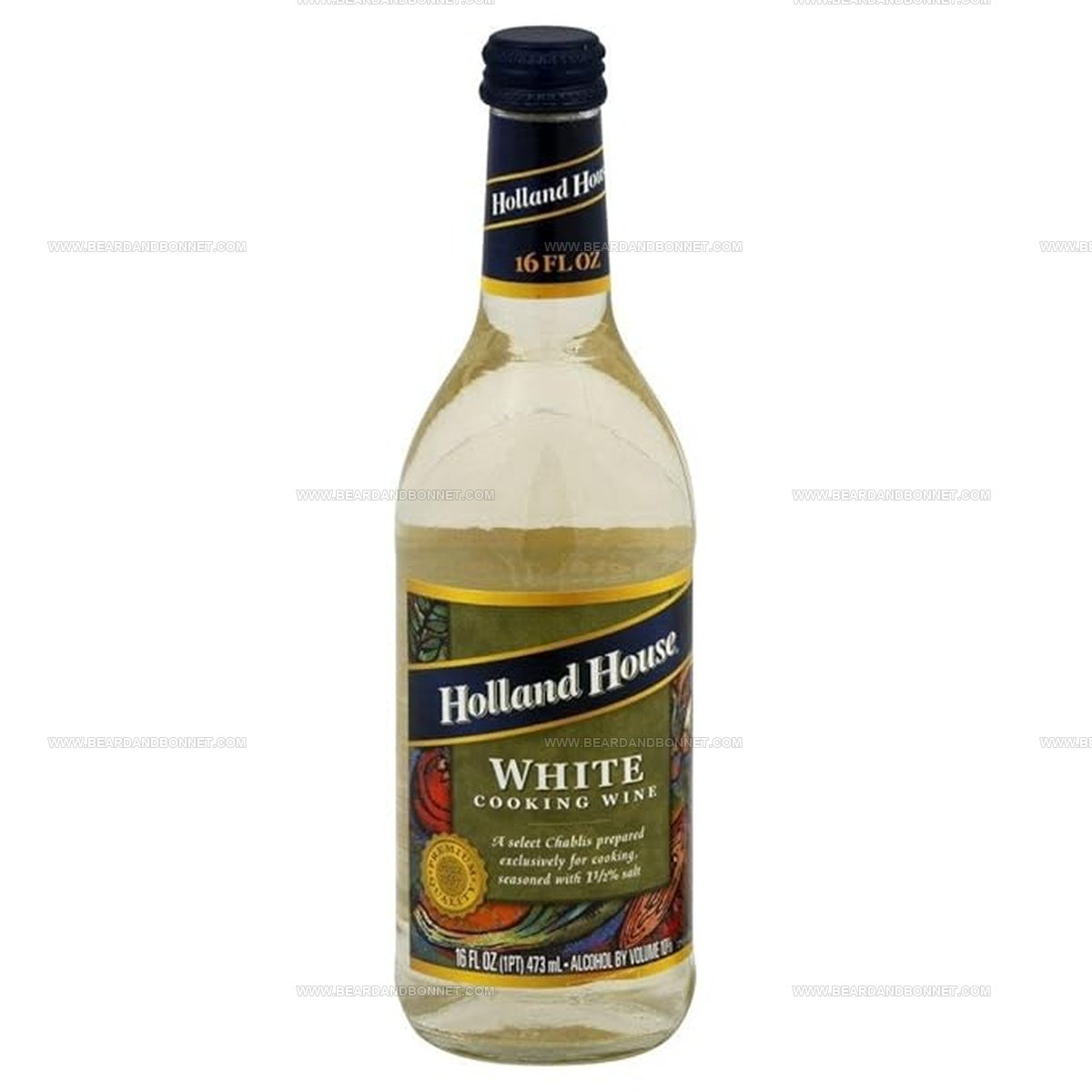
Substitution in cooking involves using dry white wine as a popular alternative to cooking sherry because of its crisp flavor that enhances dishes without overwhelming them.
Sauvignon Blanc, Pinot Grigio, and Semillon stand out as excellent choices for chicken, pork, seafood, and mushroom recipes.
Many dedicated home cooks keep a bottle in their pantry since these wines blend perfectly with various sauces and marinades while adding a sweet, acidic boost.
The magic of white wine also lies in its ability to deglaze pans, a crucial technique that releases stuck-on brown bits from the bottom of pans.
Dry Vermouth
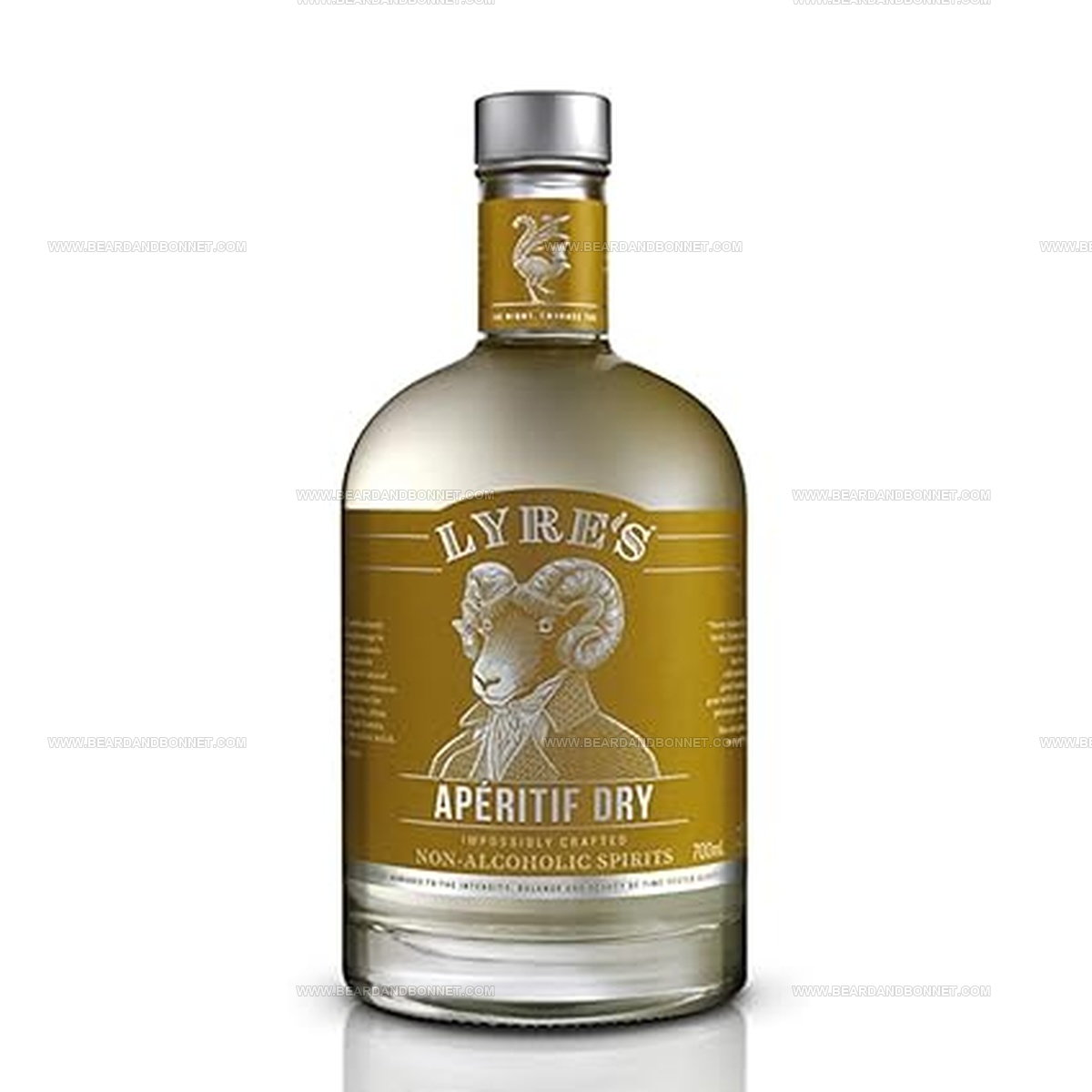
Vermouth is an excellent substitute for cooking sherry in most recipes, though many home cooks only think of it for cocktails.
This fortified wine contains additional herbs and spices, classifying it as an aromatized wine similar to sherry.
Dry vermouth varieties offer a more herbal profile than sweet versions, making them perfect companions for recipes that normally call for white wine or cooking sherry.
The robust flavor of dry vermouth requires a careful approach - using slightly less than the recipe suggests initially allows for proper taste adjustment as your dish develops.
Fish dishes particularly benefit from this sherry alternative, but chicken and pork recipes can be equally enhanced with this versatile ingredient.
Madeira Wine
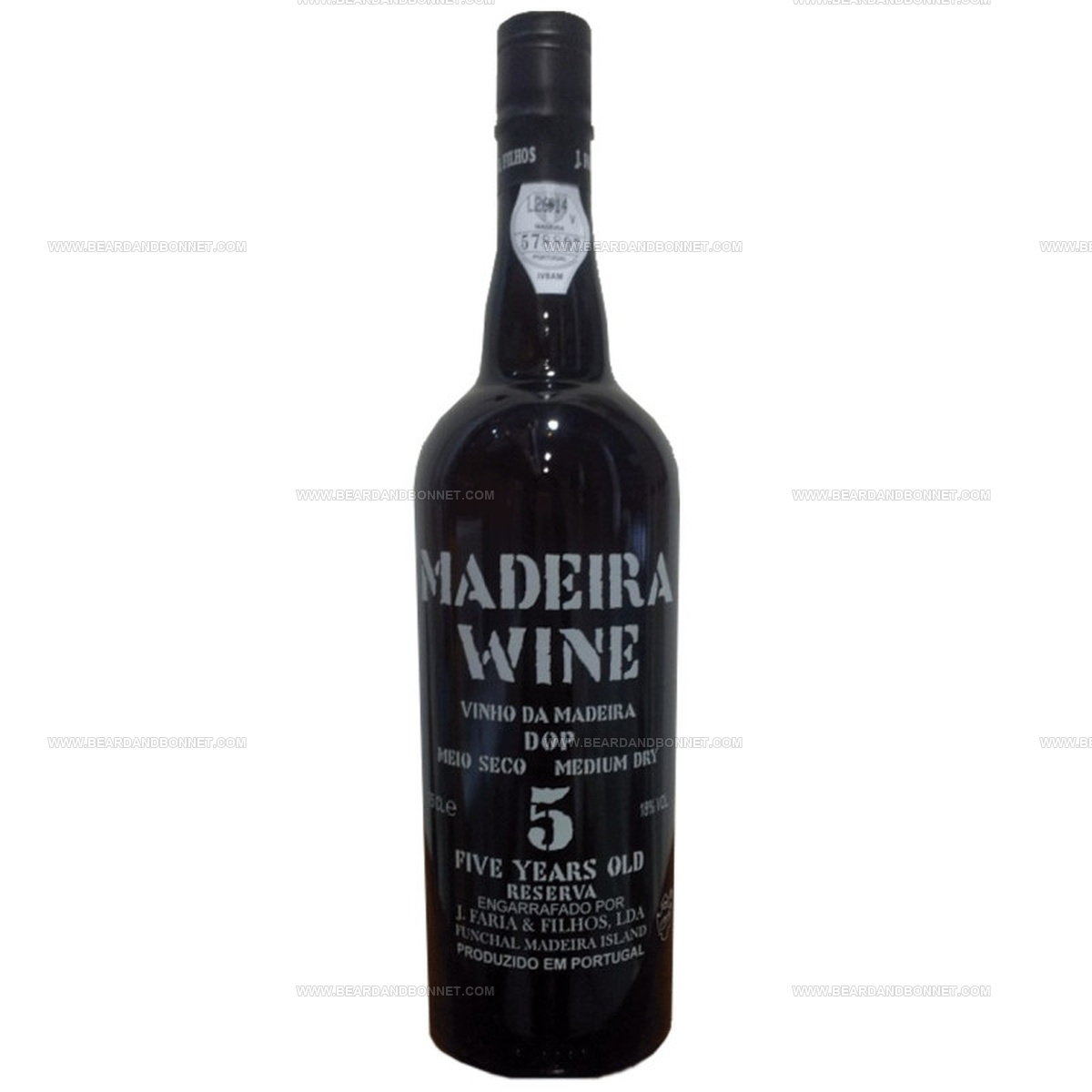
Madeira wine ranks as the best substitute for dry sherry liquor because of its similar fortified nature and rich taste profile.
From the Portuguese Madeira Islands, this alternative brings delightful caramel, nut, and sweet flavors that work beautifully in most recipes.
The pleasant acidity and fruity notes enhance dishes much like dry sherry does, despite having slightly less complexity overall.
For perfect results in your cooking, simply use Madeira in equal measurements - two tablespoons of Madeira replaces two tablespoons of dry sherry without any adjustments needed.
Home cooks appreciate how this accessible option maintains the intended flavor balance while being easier to find in many standard grocery stores.
Non-Alcoholic Substitutes for Sherry
Choosing not to use sherry for a non-alcoholic version is simple when you have another liquid ready to take its role. This allows you to complete your cooking without altering the pace.
Sherry Vinegar
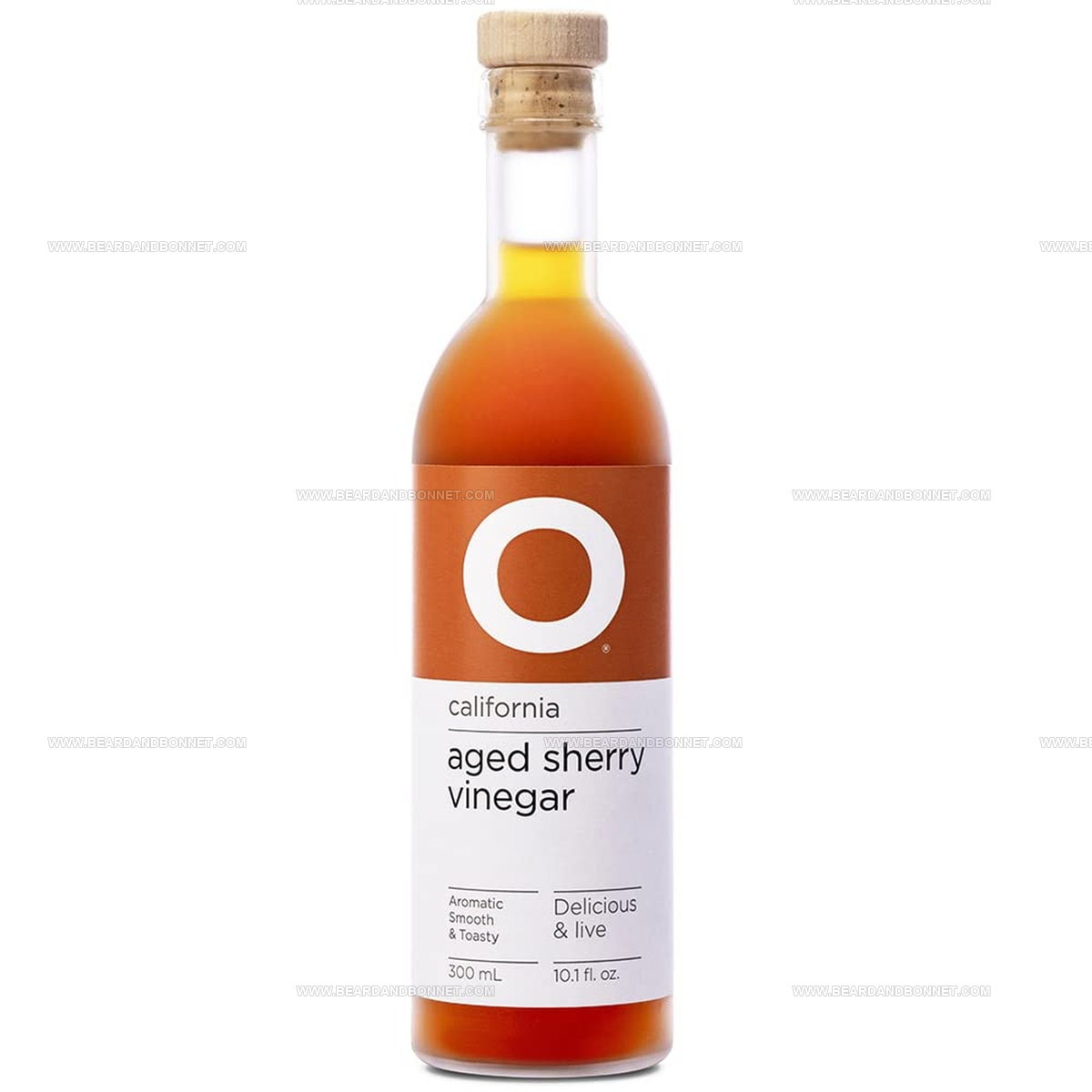
Sherry vinegar is an excellent substitute for dry sherry because both share a similar fortified base, though dry sherry typically has a saltier profile.
Unlike stronger alternatives such as red or white wine vinegar, this replacement offers a milder flavor that won't overpower your dish.
For best results, simply swap in one tablespoon of sherry vinegar for every quarter cup of dry sherry called for in your recipe.
Many home cooks prefer this substitution because it maintains the distinctive character of the original ingredient while being more commonly available in pantries.
The subtle acidity adds depth to sauces, marinades, and dressings without drastically changing the intended taste of your culinary creation.
White Wine Vinegar
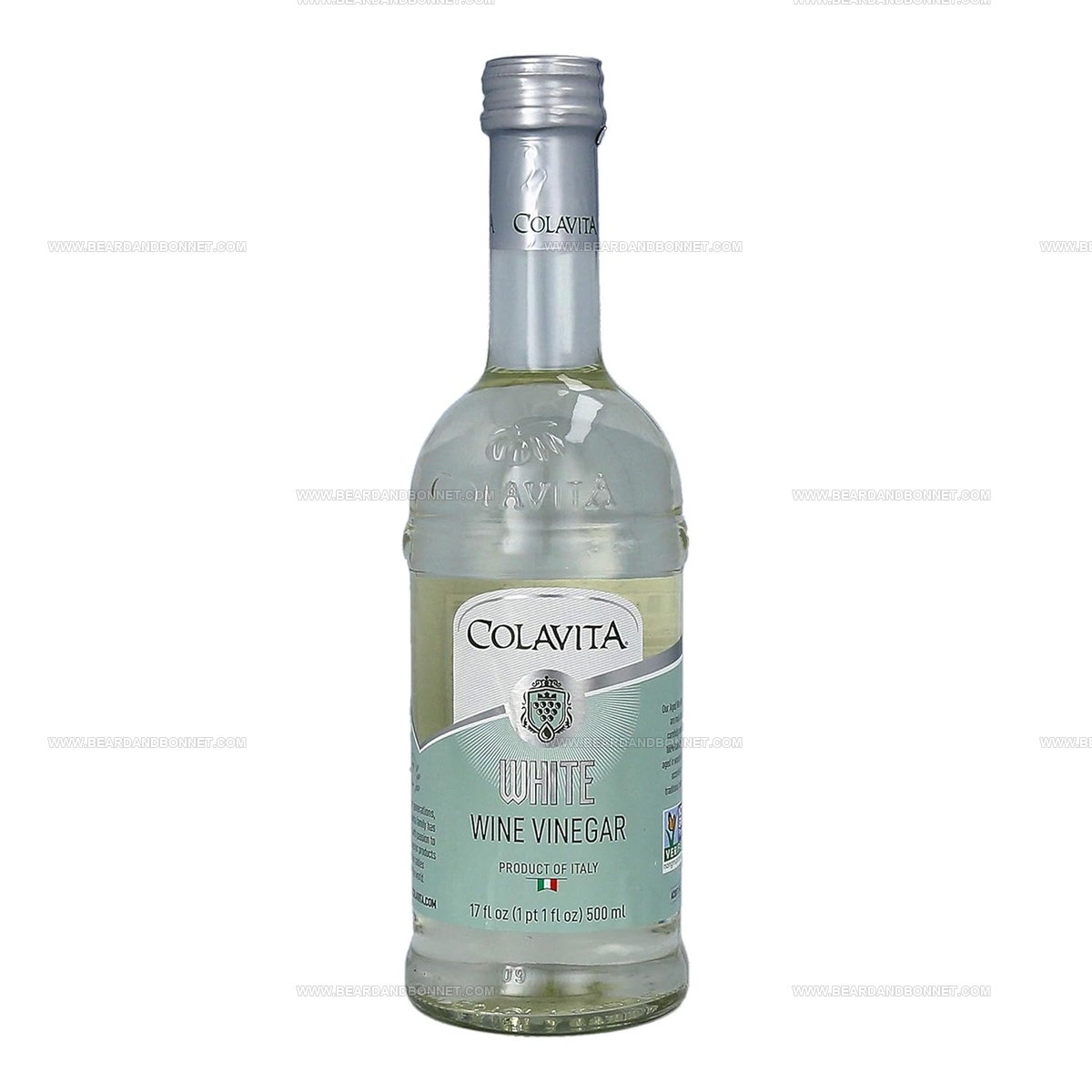
Substituting white wine vinegar for dry sherry is a smart solution when your recipe calls for this particular ingredient.
Just a tablespoon of this tangy alternative can effectively replace 1/4 cup of dry sherry in most dishes, perfectly capturing that essential sourness.
The bold flavor profile works wonderfully in sauces, marinades, and dressings where sherry would typically add depth and complexity.
Many home cooks appreciate this swap because white wine vinegar is commonly found in most kitchens, making it a convenient option during unexpected shortages.
For best results, you might want to dilute the vinegar slightly with water if the recipe is particularly delicate or calls for a more subtle flavor note.
Red Wine Vinegar
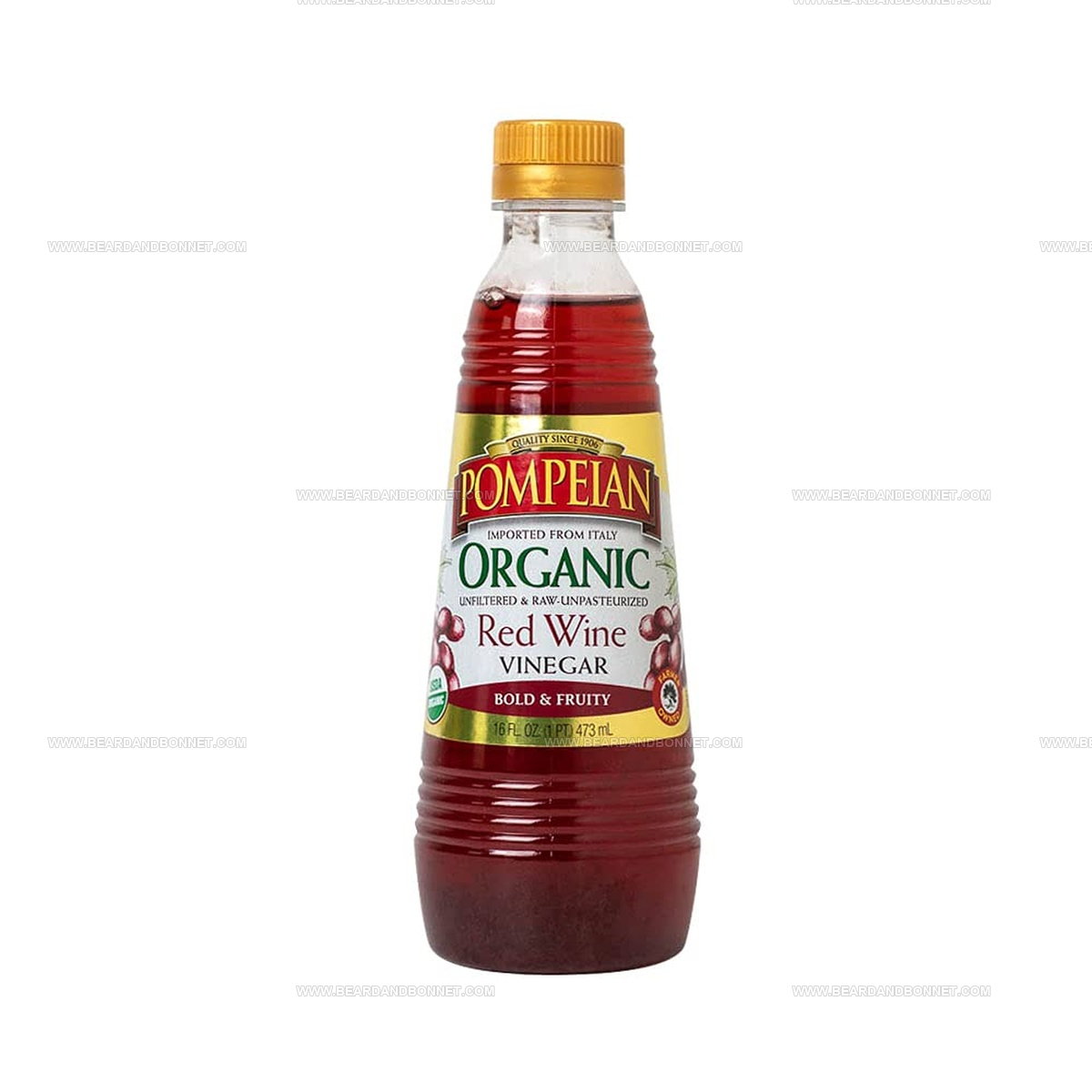
Substituting white wine vinegar with red wine vinegar works well in most recipes despite their slight differences in taste profiles.
Red wine vinegar delivers a harsher finish and more pronounced grape flavor that adds punch to salad dressings and marinades.
Many chefs prefer starting with smaller amounts when making this swap since red wine vinegar's stronger character can sometimes overpower delicate dishes.
For dishes requiring white wine vinegar's milder tang, diluting red wine vinegar with a bit of water can help achieve a closer match.
Adding a teaspoon of vegetable or chicken broth to red wine vinegar creates a complex flavor similar to Spanish fortified wine, making it perfect for Mediterranean recipes.
Apple Cider Vinegar
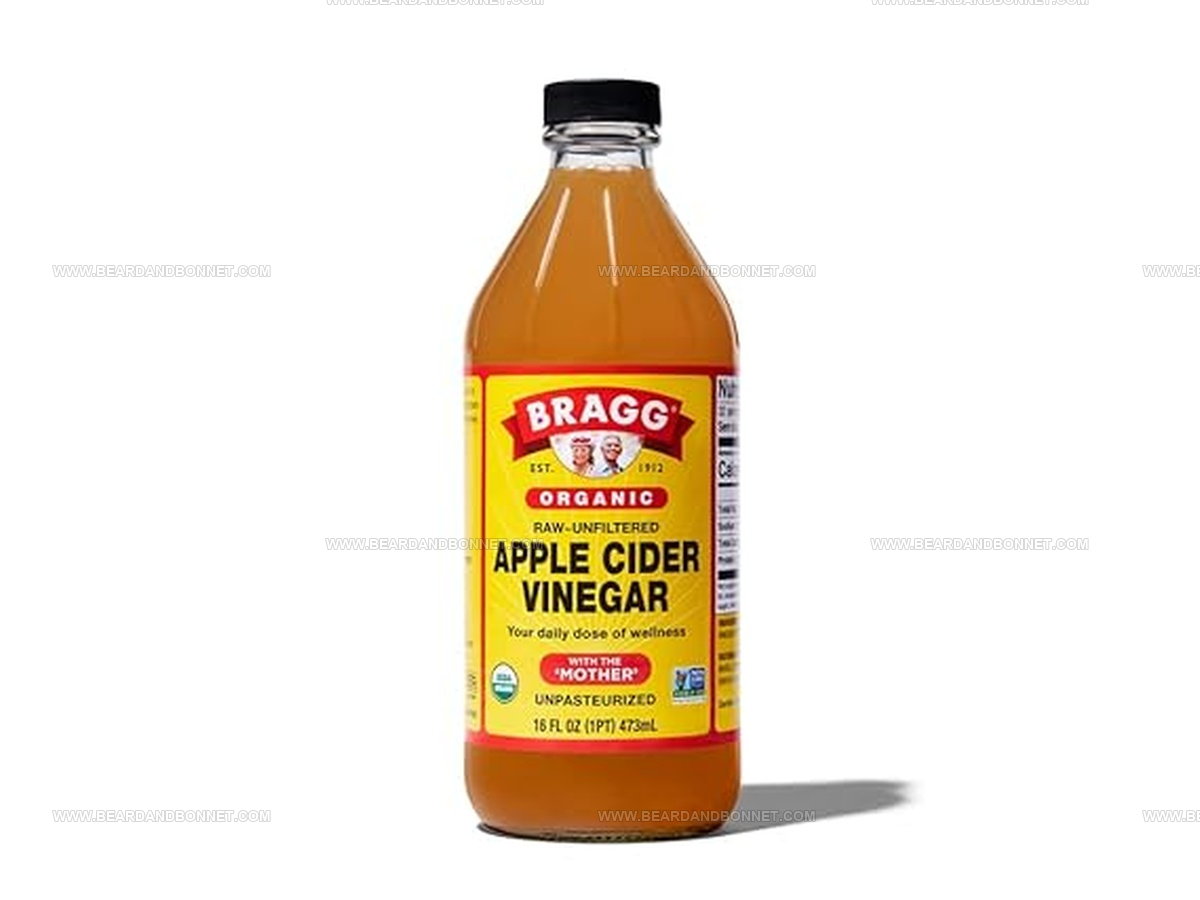
Cooking sherry substitutes are easier to find than you might expect, with apple cider being a top choice for soups, stews, marinades, and sauces.
Apple cider vinegar works wonderfully too, though its stronger flavor means you should use about half the amount called for in recipes, adding water to reach the full liquid volume.
Many chefs consider apple cider vinegar the best non-alcoholic alternative because it not only mimics the flavor but also helps deglaze pans thanks to its natural acidity.
These substitutions work best in savory dishes, while sweet recipes using cooking sherry may need apple cider with a bit of added sugar to balance the flavors.
White Vinegar
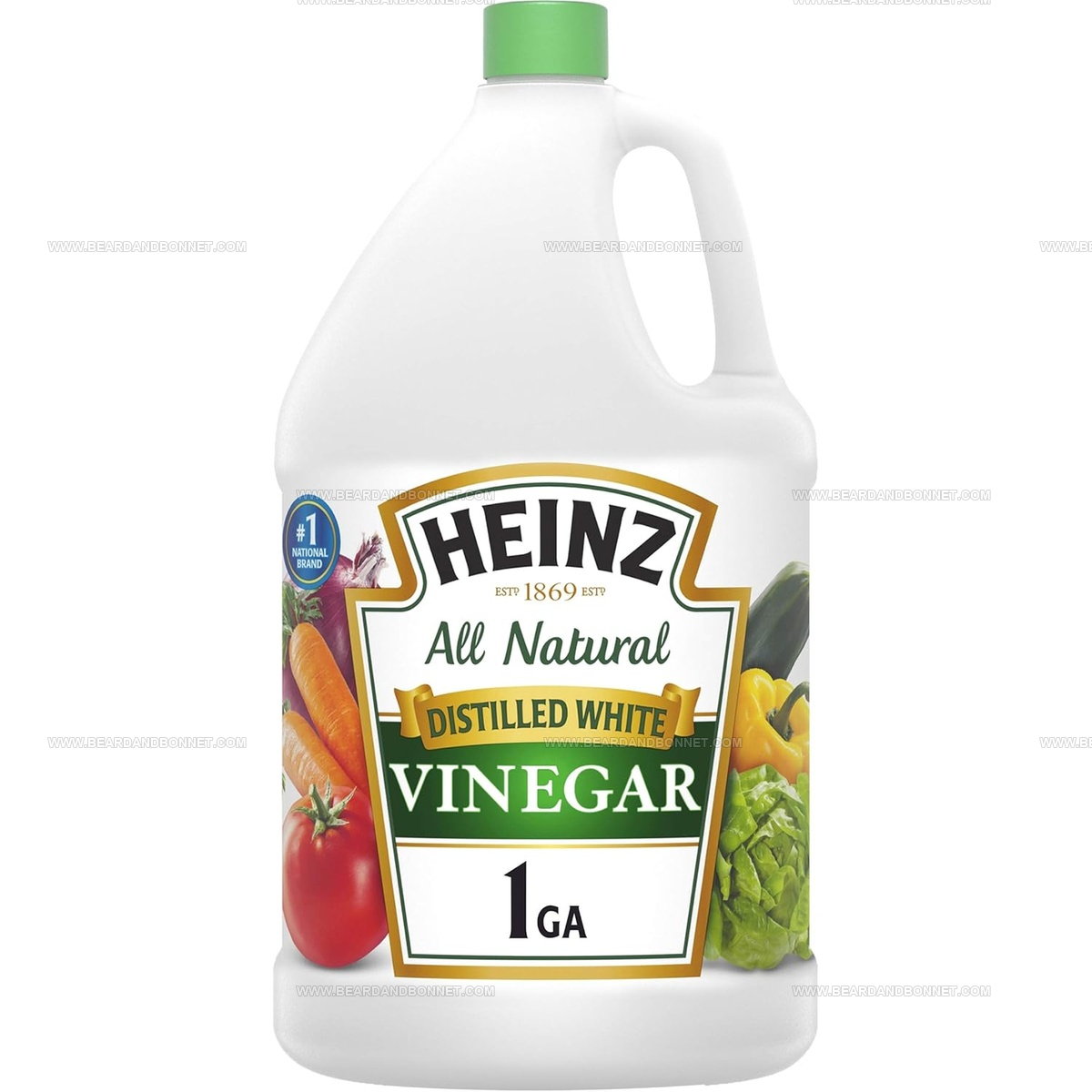
Substitution with white vinegar offers countless solutions for everyday problems around the house and in the kitchen.
From cleaning tough stains to adding zest in recipes, this versatile liquid tackles tasks that would normally require specialized products.
Many home cooks rely on white vinegar when making pickles or when they need a quick replacement for cooking sherry in sauces and marinades.
For best results when substituting for cooking sherry, mix half a cup of vinegar with half a cup of water and two tablespoons of sugar.
Most people won't detect any difference in flavor when you make this switch in recipes, though true culinary experts might notice subtle variations.
Vanilla Extract
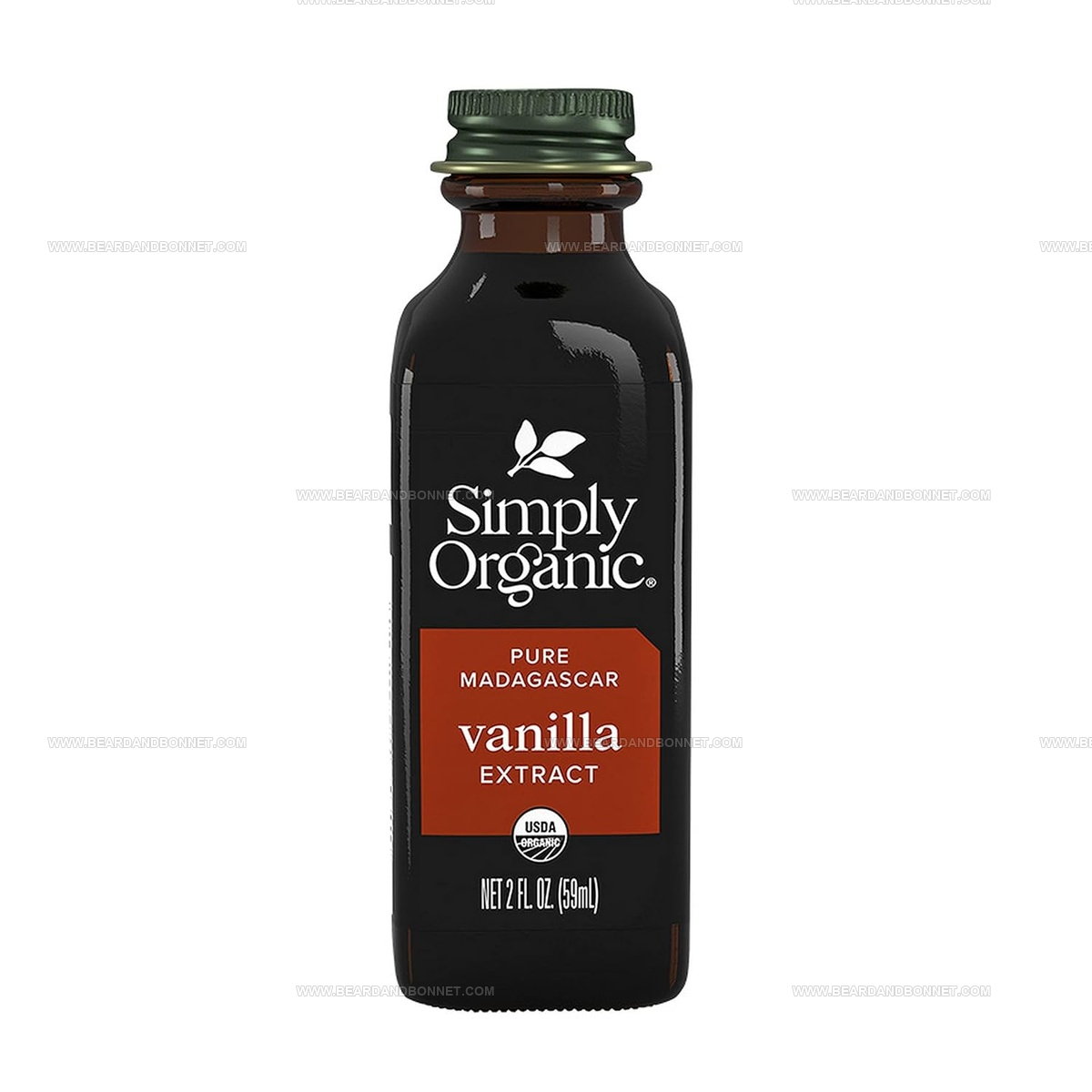
Vanilla extract is a fantastic substitute for dry sherry in desserts, adding rich complexity to cakes and sauces with its sweet, aromatic profile.
Many home bakers prefer this swap because vanilla naturally brings more sweetness than the original ingredient, creating depth without alcohol content.
The replacement ratio is straightforward - just use one teaspoon of vanilla extract for every quarter cup of dry sherry called for in your recipe.
This simple change works especially well in puddings, custards, and chocolate-based treats where the vanilla notes complement other flavors.
Your family will hardly notice the difference when you make this smart substitution in most sweet recipes.
Chicken Stock
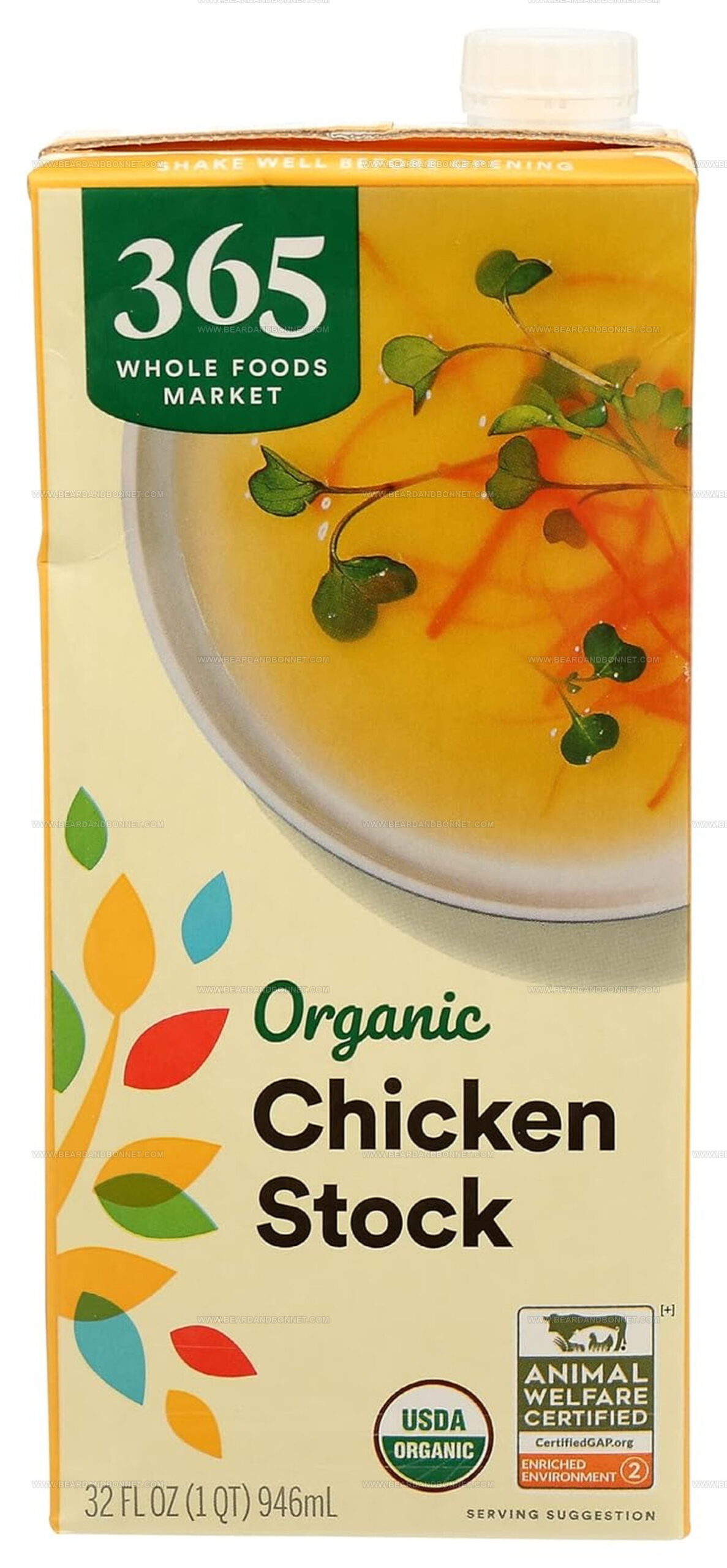
Chicken stock is a versatile non-alcoholic substitute for sherry in countless recipes, from classic chicken soup to complex sauces, stews, and marinades.
Most experienced cooks keep this kitchen essential on hand because it works perfectly for deglazing pans when sherry or wine isn't an option.
The affordability of chicken stock makes it an excellent choice for budget-conscious home cooks, especially compared to cooking sherry.
This flavorful liquid comes in various forms; ready-made at grocery stores, as bouillon cubes or powder for instant preparation, or homemade by those who prefer controlling the ingredients.
Fruit Juices
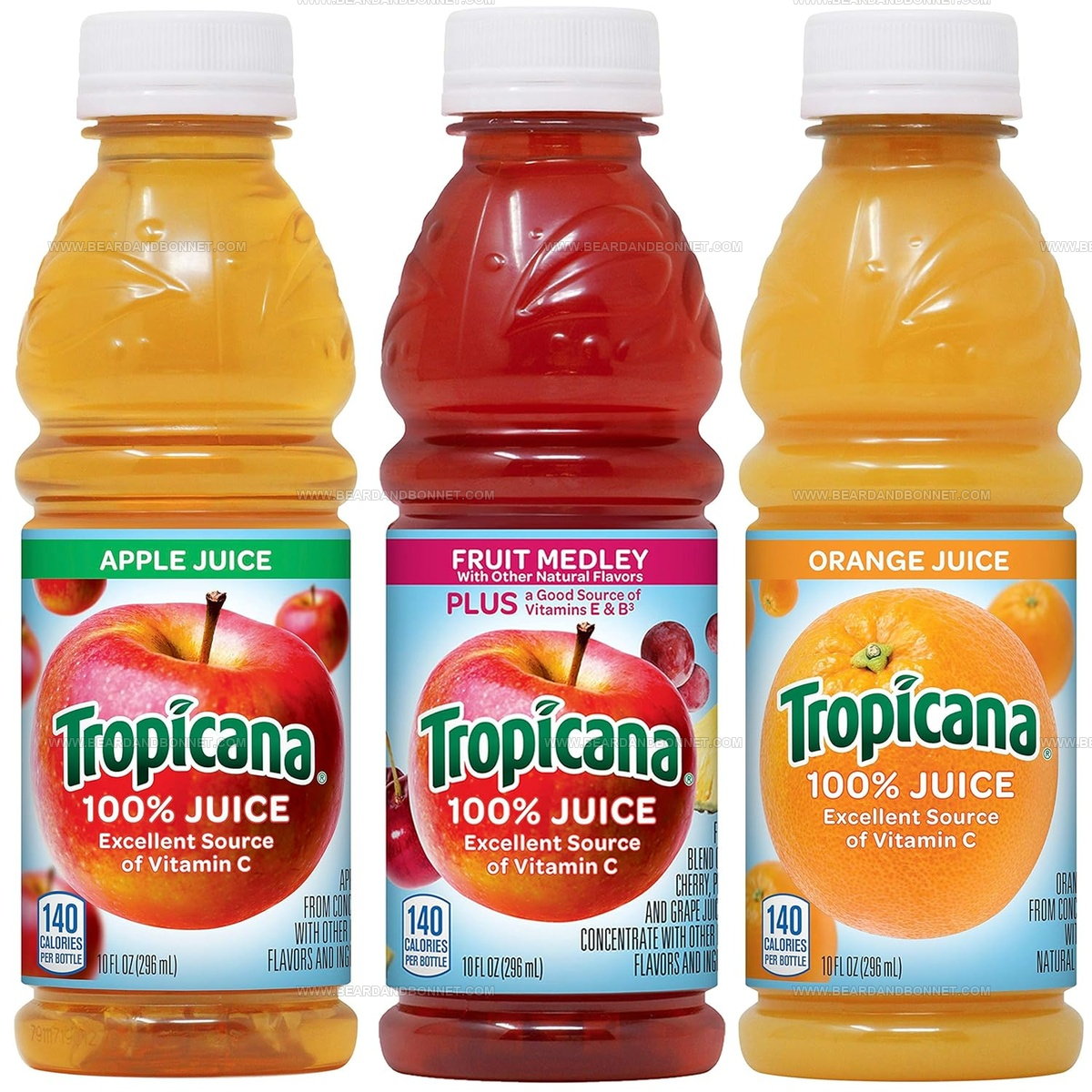
Fruit juices make excellent alternatives to dry sherry in desserts, with apple, red grape, and white grape juice leading the pack due to their natural acidity that mimics sherry's tanginess.
Orange, pineapple, peach, and apricot juices also work wonderfully when you need a substitute in your recipes.
The natural sweetness and complexity of these juices can enhance the flavor profile of many treats without alcohol.
For thicker juices, a bit of water helps achieve the right consistency for your cooking needs.
Simply use equal amounts of juice as the sherry called for in your recipe; a straightforward 1:1 ratio makes the swap stress-free.
Safety Tips for Cooking With Alcohol Substitutes
Cooking with alcohol substitutes is a great way to keep dishes family-friendly and safe for everyone, but it’s still important to use these ingredients wisely for best results and safety.
Frequently Asked Questions About Sherry Substitutes
1. What can I use instead of sherry in recipes?
You can use dry white wine, apple cider vinegar, rice wine, or chicken broth as substitutes for sherry in most savory dishes.
2. Will a substitute change the flavor of my dish?
Yes, each alternative brings its own flavor. Dry white wine and rice wine are closest, while apple cider vinegar adds more acidity.
3. Can I use cooking sherry as a substitute for drinking sherry?
Yes, but cooking sherry has added salt and preservatives, so you may need to adjust seasoning in your recipe.
4. Are there non-alcoholic alternatives to sherry?
Apple cider vinegar, white grape juice, or a mix of broth with a splash of lemon juice are good non-alcoholic options.
5. What is the best substitute for sherry in soup or sauce?
Dry white wine or chicken broth with a dash of vinegar provide similar depth and acidity for soups and sauces.
6. Can I use red wine as a substitute for sherry?
Red wine can work in heartier dishes, but it will change the color and add a stronger, fruitier flavor than sherry.
Alex Reed
Founder & Lead Content Writer
Expertise
Recipe Development and Testing, Culinary Education, Food Writing and Blogging, Sustainable Cooking Practices, Global Cuisine Exploration
Education
Johnson & Wales University
Le Cordon Bleu Paris
Alex Reed is an inventive chef and food creator with a passion for dishes that balance taste, health, and sustainability.
Trained at Portland Community College and holding an Advanced Pastry Arts certificate from Oregon Culinary Institute, Alex brings more than 10 years of practical culinary experience to every recipe he develops.
His background uniquely blends traditional cooking skills with modern, mindful eating principles. As the founder of Beard and Bonnet, Alex creates recipes that encourage readers to cook confidently.