
33 Tantalizing Octopus Dishes Everyone Can Enjoy

Octopus cuisine represents a fascinating culinary adventure that spans multiple global traditions and taste experiences.
Marine creatures with remarkable intelligence inspire chefs worldwide to create extraordinary recipes.
Soft, tender meat transforms through careful preparation techniques that highlight its unique texture and subtle flavors.
Ocean-dwelling delicacies capture the imagination of food enthusiasts seeking something beyond ordinary seafood selections.
Sophisticated palates appreciate the complex nutritional profile and adaptable cooking methods associated with these incredible invertebrate proteins.
Cultural diversity shines through different preparation styles that range from delicate Mediterranean approaches to robust Asian techniques.
The remarkable versatility of octopus allows skilled culinary professionals to craft memorable dining experiences that challenge traditional seafood expectations.
Your curiosity will be satisfied by these 33 exceptional octopus dishes that showcase global gastronomic creativity:
Popular Octopus Dishes for Seafood Adventurers
Octopus is a star on Mediterranean and Asian tables, whether grilled, stewed, or tossed with bright herbs. These dishes highlight the seafood’s tender bite and ocean flavor.
Polvo A Lagareiro
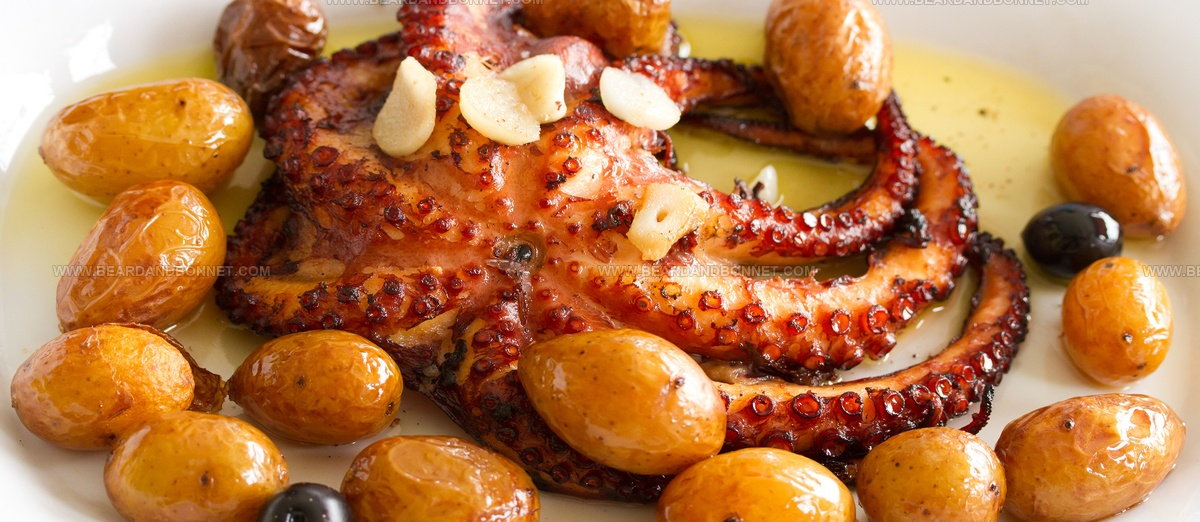
Polvo a Lagareiro embodies Portuguese coastal cuisine through its succulent octopus preparation that celebrates Mediterranean olive oil traditions.
Portuguese fishermen originally developed this technique to highlight fresh seafood with minimal ingredients and maximum flavor.
Chefs boil octopus until tender, then grill it to create crispy exterior edges while maintaining a soft interior texture.
Extra virgin olive oil gets generously drizzled over the grilled octopus, intensifying its natural maritime richness.
Garlic, coriander, and lemon juice provide sharp complementary notes that cut through the octopus's dense protein profile.
Small unpeeled potatoes roast alongside the octopus, absorbing its savory cooking juices.
Salt seasons the entire dish, enhancing each ingredient's distinct character.
Regional Portuguese coastal communities consider this recipe a straightforward yet sophisticated seafood classic that transforms simple ingredients into an elegant meal.
Grilled Octopus (Chtapodi Sti Schara)
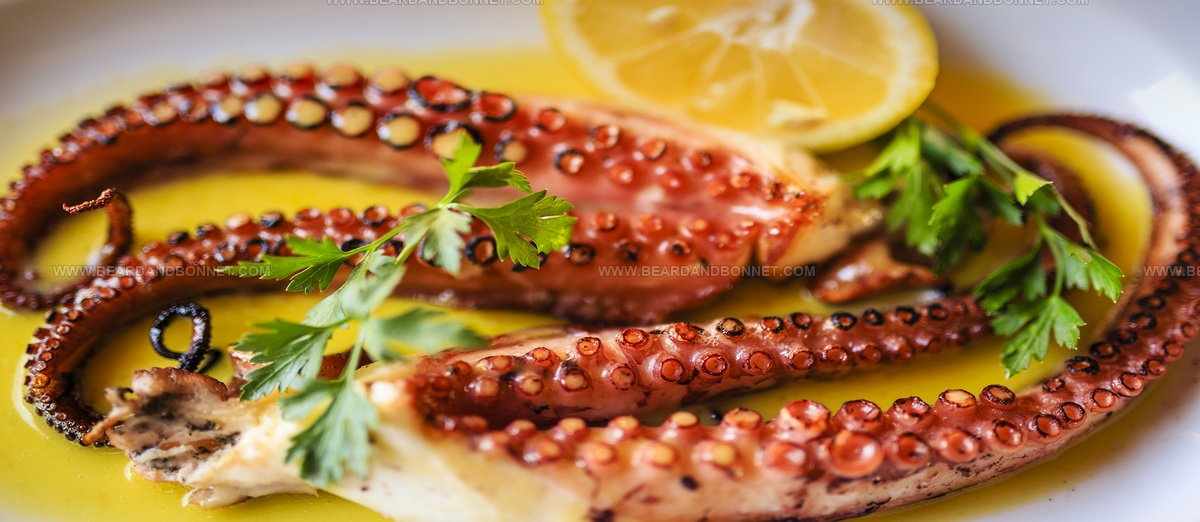
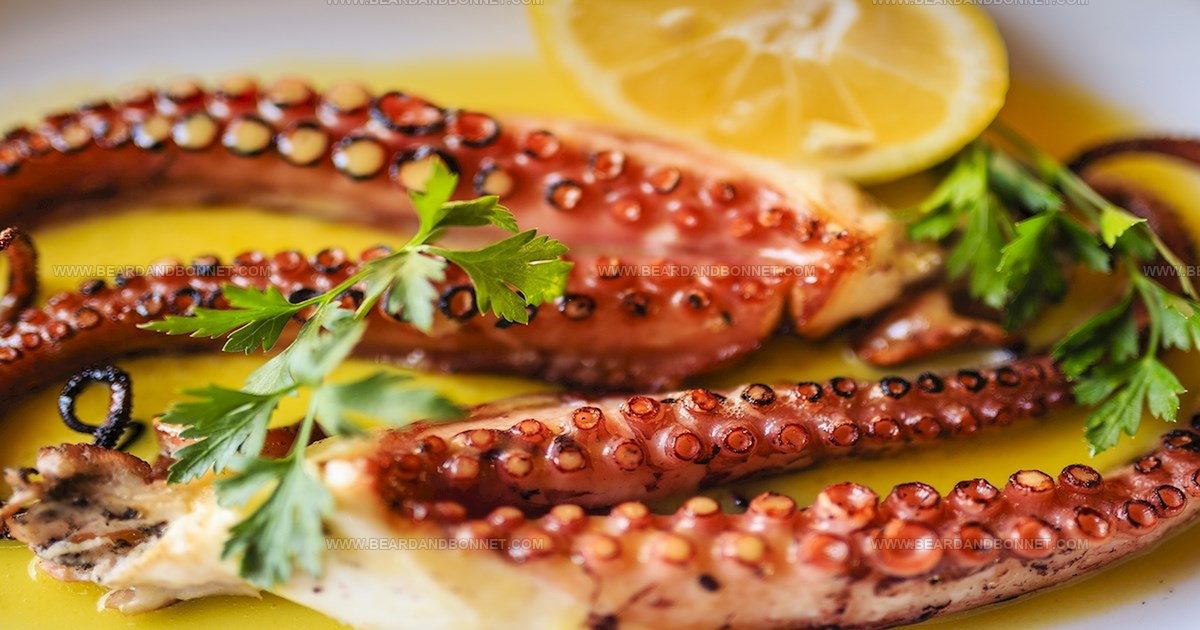
Grilled octopus (Chtapodi sti schara) embodies Greek seaside cuisine with its succulent marine protein expertly charred over open flames.
Mediterranean fishermen originally developed this simple yet profound dish using freshly caught octopus prepared with minimal ingredients.
Charcoal grilling transforms the octopus into a tender delicacy with crispy edges and smoky undertones.
Greeks marinate the seafood in olive oil, red wine vinegar, and oregano before carefully grilling it to perfection.
Each tentacle becomes caramelized and infused with robust Mediterranean flavors during cooking.
Sea salt and fresh lemon juice enhance the octopus's natural sweetness and provide a bright finish.
Traditional tavernas serve this dish as a meze (appetizer) accompanied by ouzo or white wine.
Takoyaki
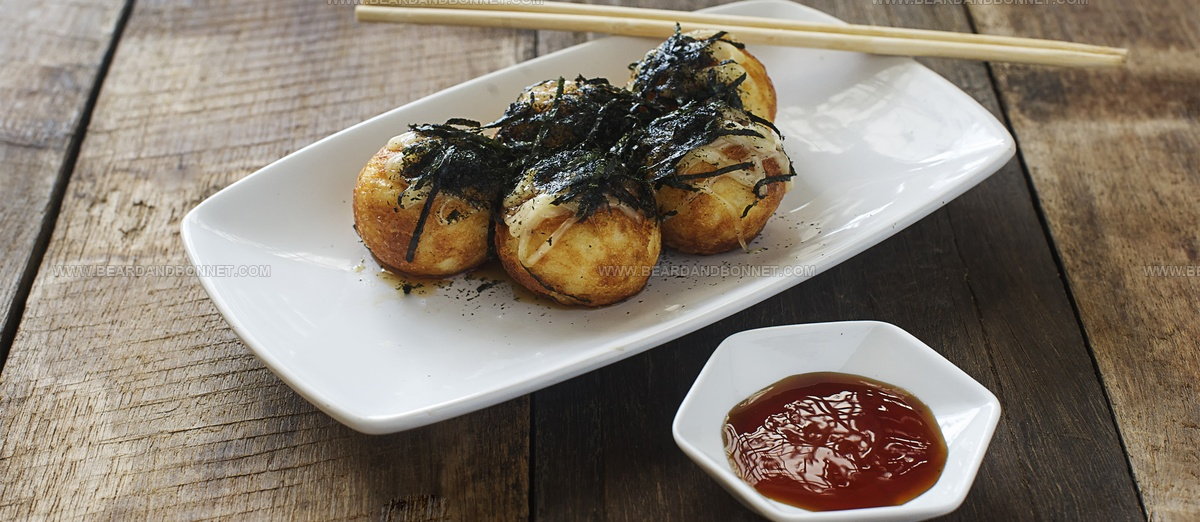
Takoyaki are iconic Japanese street food balls packed with savory octopus pieces inside a crispy, golden-brown exterior that originated in Osaka during the 1930s.
Skilled vendors expertly cook these bite-sized treats in specialized round iron pans with multiple hemispheric molds, creating perfectly spherical snacks.
Traditional batter blends wheat flour, eggs, dashi stock, and soy sauce into a smooth mixture that gets filled with tender octopus chunks.
Cooks quickly rotate the balls using metal picks to ensure even, golden-brown cooking and a crisp outer shell.
Toppings typically include bonito fish flakes, green onions, pickled ginger, and Japanese mayonnaise for extra flavor complexity.
Street food markets and festivals frequently feature these popular snacks, which have become a globally recognized Japanese culinary symbol.
Restaurants and food stalls across Japan continue serving these delicious balls as a beloved quick bite.
Pulpo A La Gallega
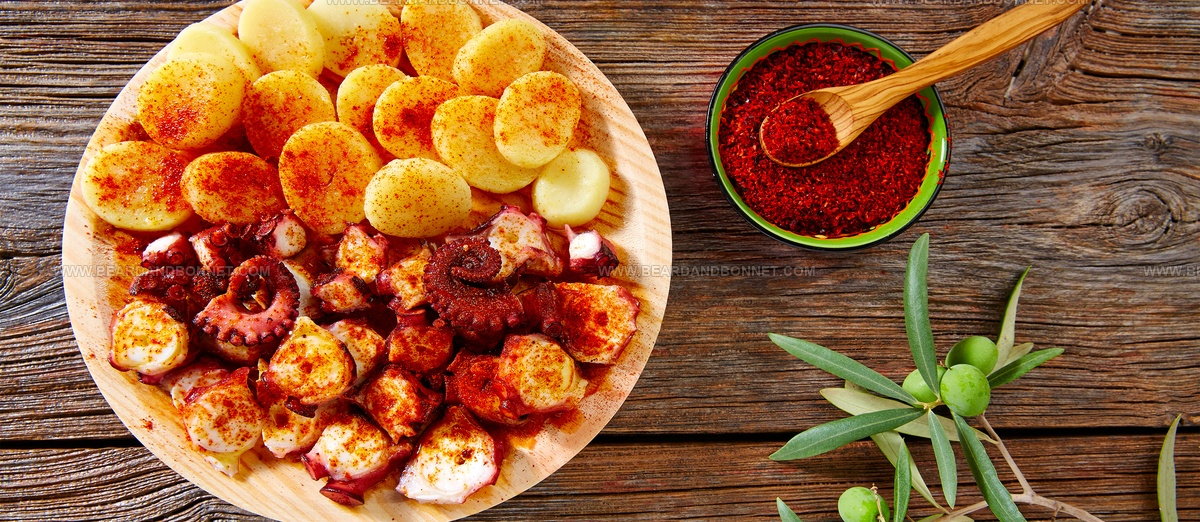
Pulpo a la gallega is a signature Galician seafood delicacy featuring tender octopus prepared with meticulous regional techniques.
Copper cauldrons play a crucial role in creating its distinctive flavor, which cannot be replicated using other cooking vessels.
Spanish chefs traditionally cook octopus until perfectly soft and slice it into distinctive round pieces.
Galician culinary experts serve the dish on wooden boards with generous olive oil drizzles and coarse salt sprinkles.
Sweet paprika powder adds a warm, rich color and subtle spice to the plate.
Potatoes often accompany the octopus as a complementary side ingredient.
Wine pairing recommendations typically include local red varieties from northwestern Spain.
Sanabria region variations sometimes incorporate fresh garlic for additional flavor complexity.
Pulpo Al Olivo
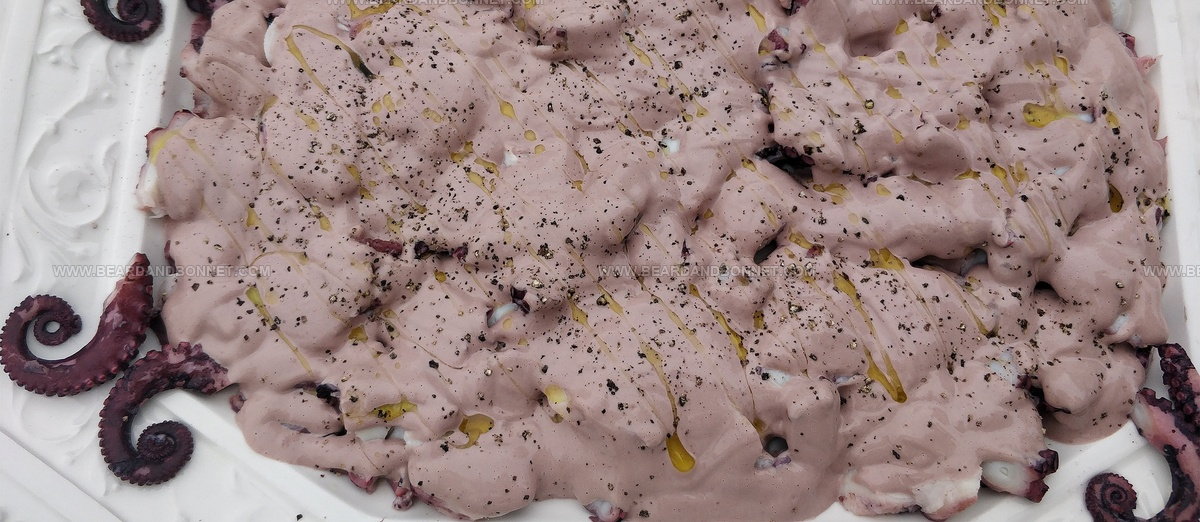
Pulpo al olivo represents Peru's coastal culinary genius, blending tender octopus with a creamy olive sauce that transforms simple ingredients into an extraordinary appetizer or main course.
Peruvian cooks create this dish by boiling octopus and coating it with a rich sauce made from blended botija olives and mayonnaise.
Southern Peru's unique botija olives give the sauce its distinctive flavor and deep color.
Lime juice adds brightness to the seafood's natural richness.
Garlic and olive oil enhance the sauce's complexity and depth.
Fresh eggs contribute to the sauce's smooth texture.
Boiled potatoes traditionally accompany the dish, offering a complementary starch.
Filetes De Polvo
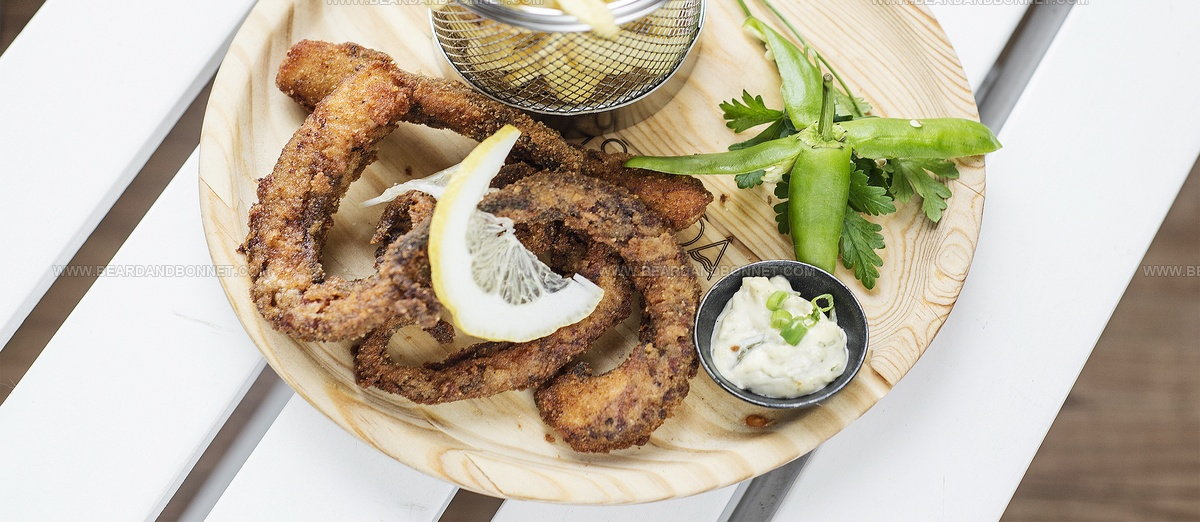
Filetes de polvo are crispy Portuguese seafood delicacies featuring tender octopus tentacles transformed into golden-brown fritters through a careful preparation process.
Skilled Portuguese cooks boil octopus until perfectly tender, then dip the meat in eggwash and coat it with breadcrumbs for maximum crunch.
Frying the tentacles in hot oil creates a beautiful golden exterior that locks in the octopus's delicate flavor.
Lemon juice and black pepper enhance the seafood's natural taste, adding brightness and depth to each bite.
Restaurants often serve these fritters with white rice, creating a complete meal that celebrates Portugal's coastal culinary traditions.
Portuguese families frequently prepare this dish during gatherings, making it a beloved comfort food.
Octopus lovers appreciate these fritters as a testament to Portugal's rich maritime cooking heritage.
Folpetti
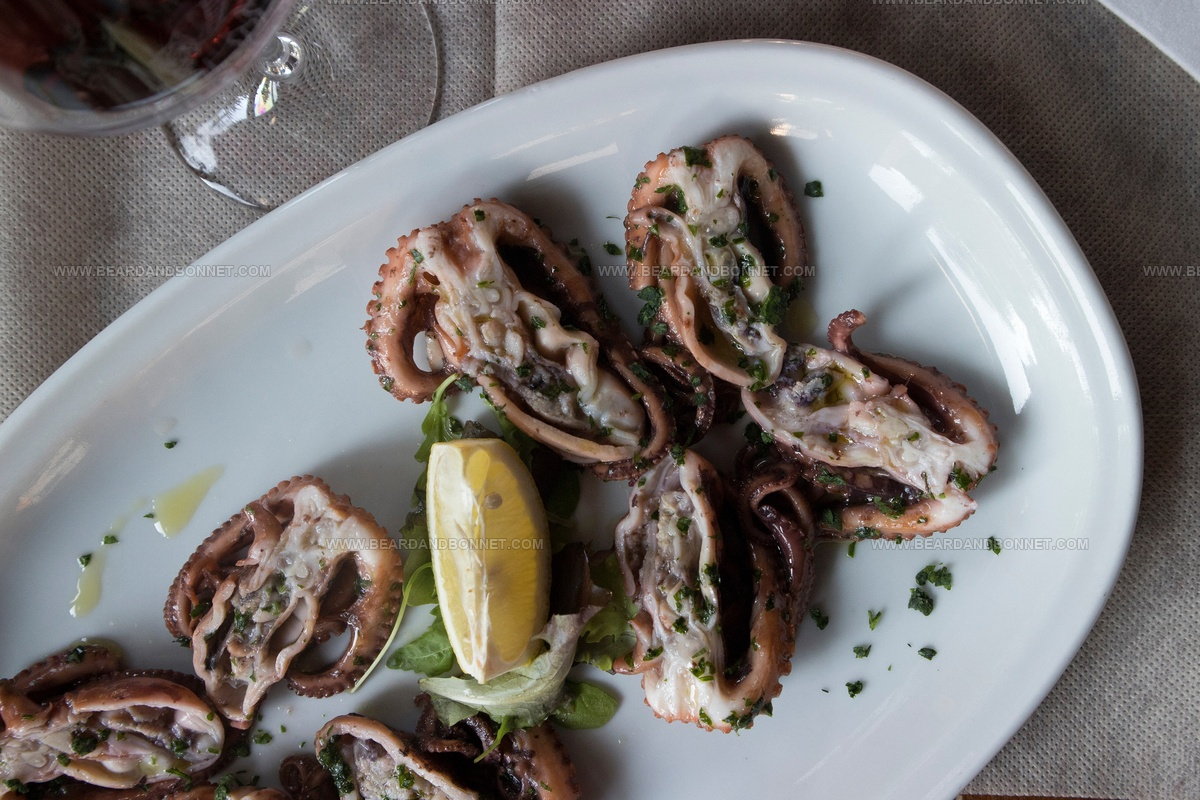
Folpetti are succulent Venetian baby octopus appetizers bursting with Mediterranean flavors and simplicity.
Seafood lovers savor these tender octopi boiled for half an hour until perfectly soft.
Chefs prepare folpetti by seasoning the octopus with extra-virgin olive oil, fresh lemon juice, salt, and black pepper.
Classic preparation involves minimal ingredients that highlight the octopus's natural taste.
Local restaurants typically serve folpetti as a starter with a crisp glass of prosecco or white wine.
Venetian coastal communities have enjoyed this dish for generations as a quick seafood snack.
Small chopped parsley adds a fresh green garnish to the bright white plate.
Boiled potatoes can accompany folpetti for those seeking a more substantial meal.
Octopus Ceviche (Ceviche De Pulpo)
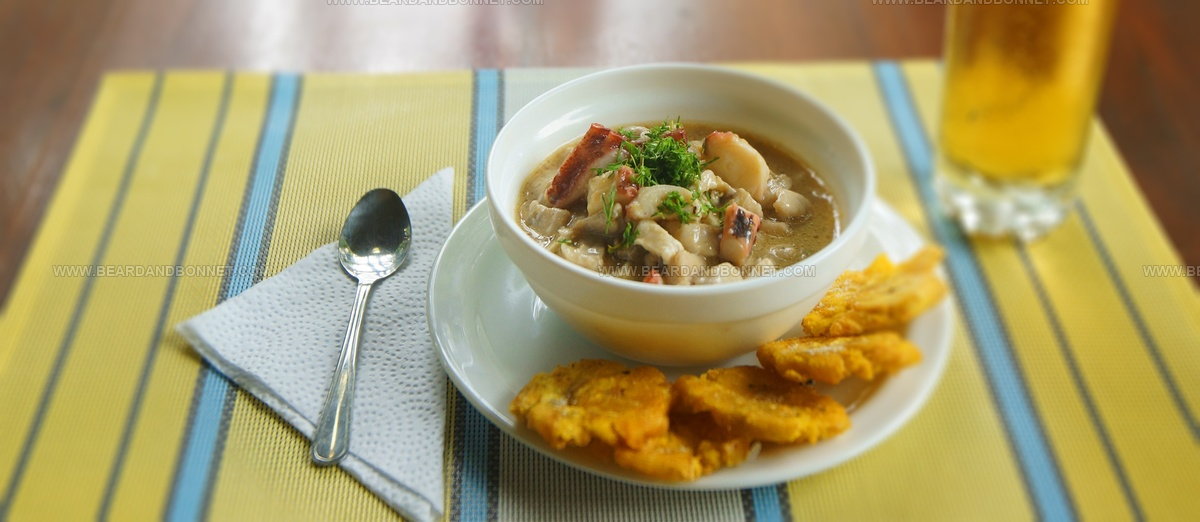
Octopus ceviche transforms raw seafood into a zesty Latin American appetizer marinated in citrus juices and spices.
South American coastal regions celebrate this dish as a fresh, tangy seafood experience that eliminates traditional fishy flavors.
Peruvian and Ecuadorean cuisines feature this raw octopus preparation with sharp lime juice and crisp vegetable companions.
Tender octopus pieces absorb bright citrus and chili pepper notes during preparation.
Coriander and onions provide additional flavor complexity to the marine protein.
Hot peppers add unexpected heat to the cool, refreshing mixture.
Green plantain chips often accompany this vibrant appetizer.
Salt and oil complete the simple yet sophisticated flavor profile of this coastal specialty.
Stir-Fried Octopus (Nakji Bokkeum)
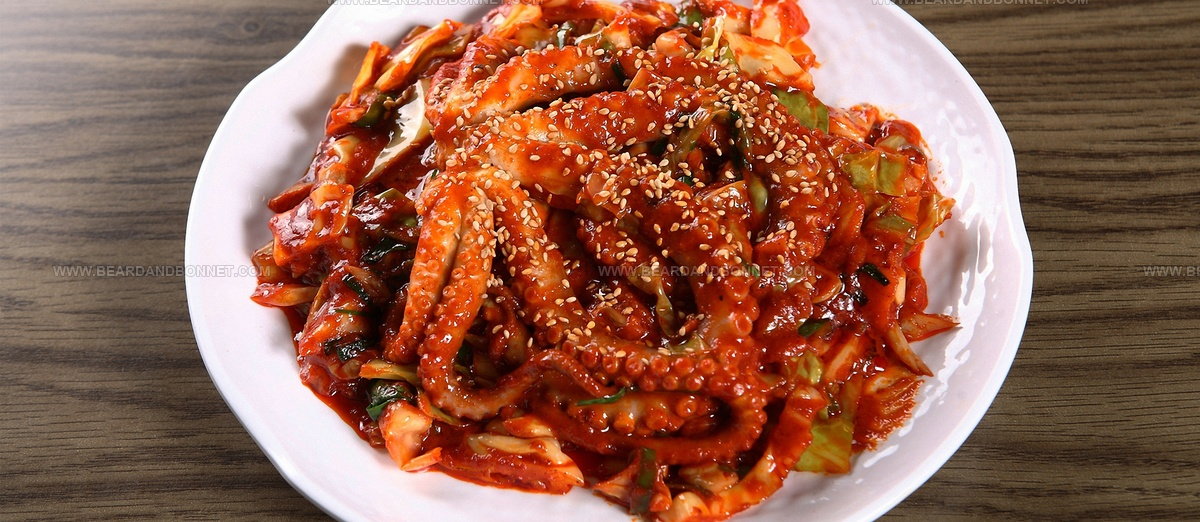
Nakji bokkeum sizzles with Korean street food intensity, combining tender octopus chunks flash-fried in spicy gochujang sauce.
Small octopus pieces get quickly stir-fried with aromatic garlic and ginger until perfectly charred and slightly crispy.
Bright chili peppers and sliced vegetables like onions and scallions add complex flavor and texture to this popular banchan.
Roasted sesame seeds sprinkled on top provide a nutty crunch that complements the seafood's natural sweetness.
Korean home cooks typically serve nakji bokkeum alongside steaming rice and robust soups for a complete meal.
Gochujang's deep red color and fiery kick make this dish unmistakably Korean in character.
Restaurants across South Korea feature this spicy octopus specialty as a staple street food option.
Seafood lovers appreciate nakji bokkeum for its bold, umami-rich taste profile that balances heat and marine freshness.
Octopus Under The Bell (Hobotnica Ispod Peke)
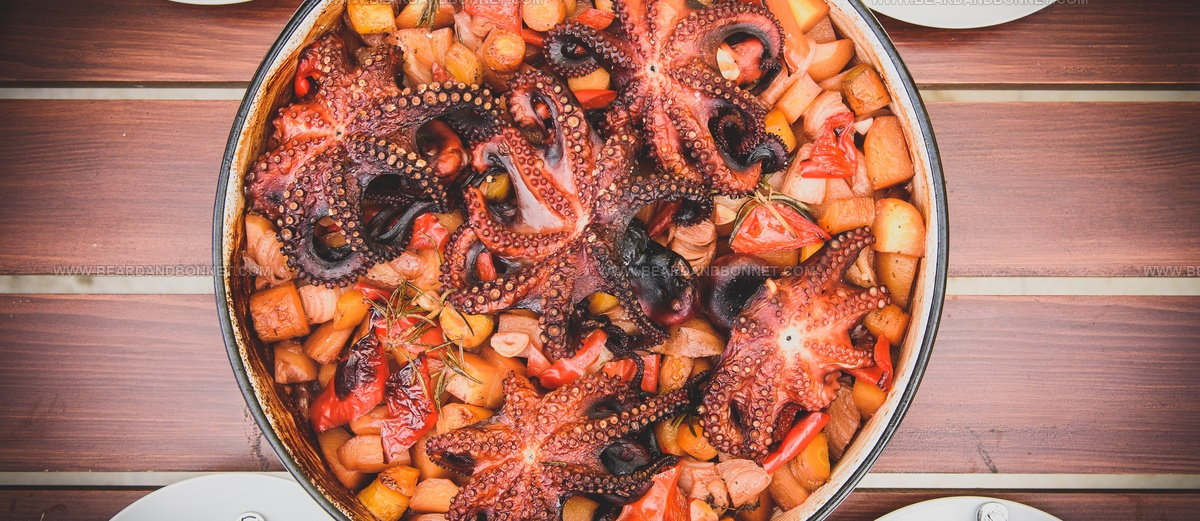
Hobotnica ispod peke showcases Croatia's coastal culinary mastery through slow-cooked whole octopus sealed beneath a traditional bell-shaped lid called peka.
Maritime Mediterranean cultures perfected this succulent seafood preparation by trapping octopus with aromatic herbs like garlic, bay leaves, and black pepper inside a clay or metal vessel.
Olive oil moistens the tender meat while red or white wine enhances flavor complexity during extended cooking.
Regional vegetables including potatoes, onions, carrots, and bell peppers complement the octopus, creating a rich one-pot meal.
Dalmatian coastal communities traditionally prepare this dish using fresh-caught octopus and robust cooking techniques.
Extended low-temperature cooking ensures meat becomes incredibly soft and infused with herb essences.
Wine and olive oil additions prevent drying while enriching overall taste profile.
Mediterranean ingredients blend seamlessly in this rustic, flavorful seafood experience.
Octopus Salad (Salata Od Hobotnice)
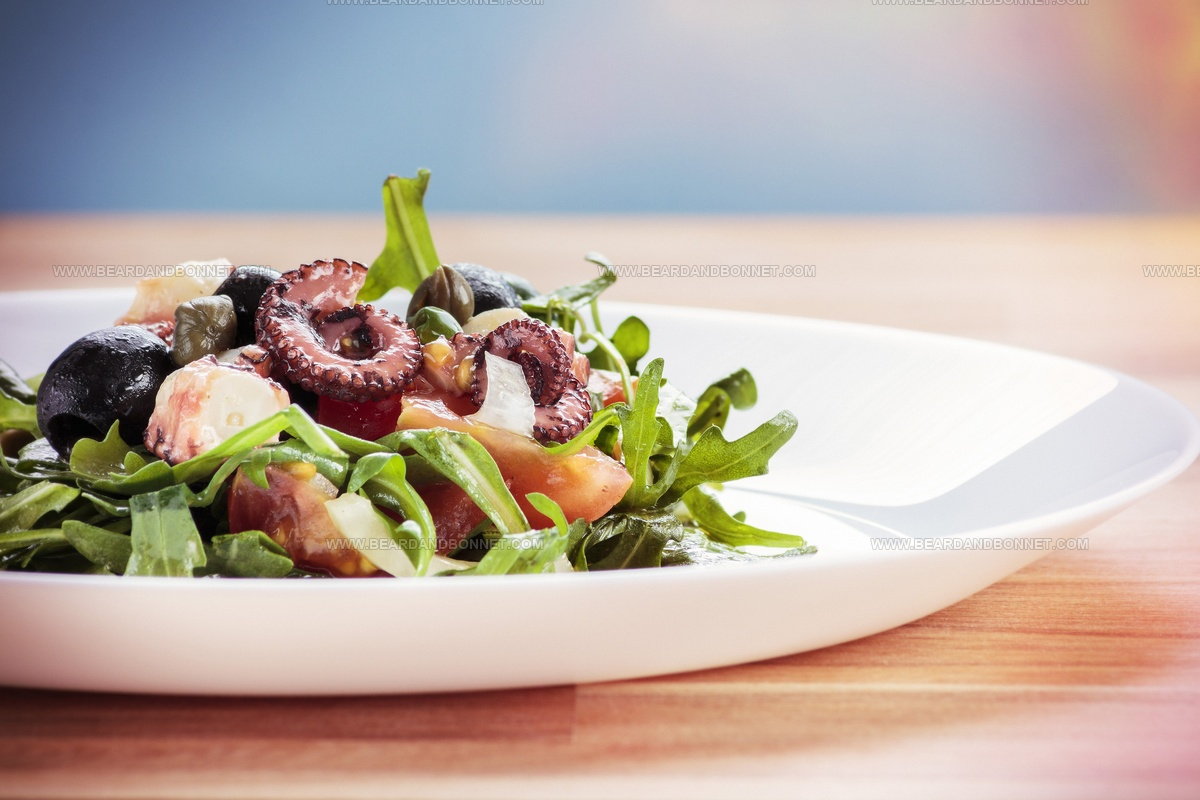
Octopus salad is a beloved Dalmatian seafood dish celebrating Croatia's coastal culinary traditions with its tender, marinated octopus as the star ingredient.
Mediterranean flavors burst through each carefully prepared bite, combining fresh octopus with crisp onions and aromatic herbs.
Croatian coastal regions traditionally serve this refreshing salad during summer gatherings and Christmas Eve celebrations.
Chefs carefully boil the octopus until perfectly tender, then slice it into bite-sized pieces.
Olive oil, garlic, parsley, and vinegar create a zesty marinade that enhances the seafood's natural flavors.
Salt and bay leaves add depth to the simple yet elegant preparation.
Potatoes and tomatoes frequently complement the octopus, adding texture and balance.
Families and friends enjoy this classic dish as a light, flavorful appetizer that connects them to Croatia's rich maritime heritage.
Chicharron De Pulpo
Chicharron de pulpo sparks culinary excitement with crispy, golden-fried octopus pieces that blend Peruvian seafood traditions and bold flavor profiles.
Peruvian chefs expertly prepare this dish by first boiling octopus until perfectly tender and firm.
Seasoned with a mixture of soy sauce, mustard, salt, and pepper, the octopus transforms through a precise coating process involving eggs, milk, and flour.
After coating, cooks deep-fry the pieces until they reach a stunning golden-brown crunch.
Sea salt and fresh lime often garnish the final plate, adding bright zesty notes.
Street vendors and seafood restaurants across Peru consider this snack a popular appetizer or light meal.
Crispy texture and rich ocean flavors make chicharron de pulpo a memorable Peruvian street food experience.
Arroz De Polvo
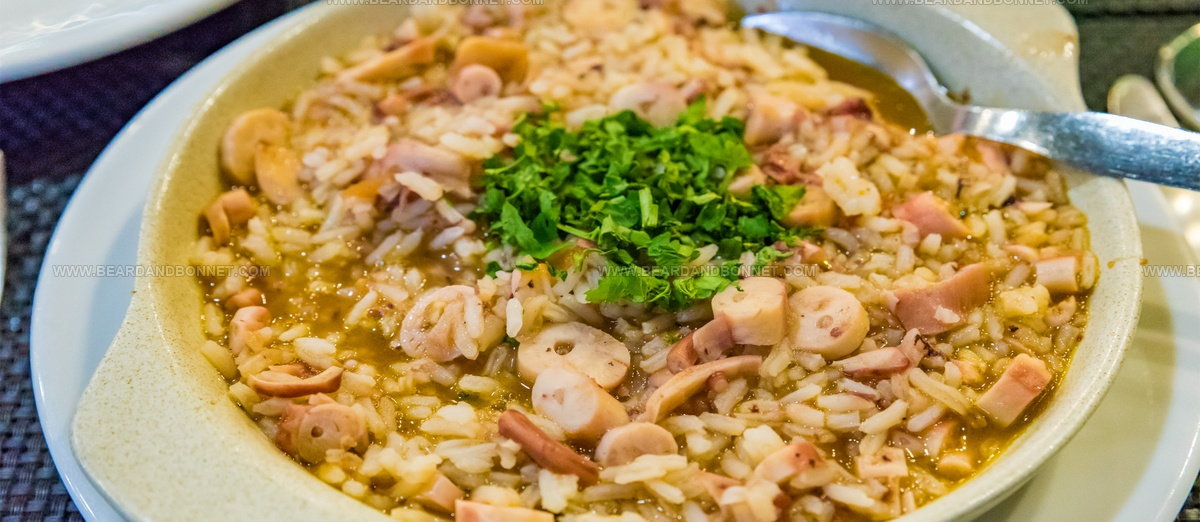
Arroz de polvo is a sumptuous Portuguese seafood rice dish blending tender octopus with aromatic rice in a savory tomato-based sauce.
Portuguese coastal regions celebrate this hearty meal as a signature seafood specialty featuring fresh octopus diced and slow-cooked with rice.
Mediterranean flavors shine through the carefully seasoned broth infused with garlic and onions.
Traditional malandrinho preparation ensures a slightly liquid consistency resembling a thick rice stew.
Restaurants and home kitchens alike showcase this classic Portuguese comfort food that connects sea and land.
Tako Nigiri Sushi
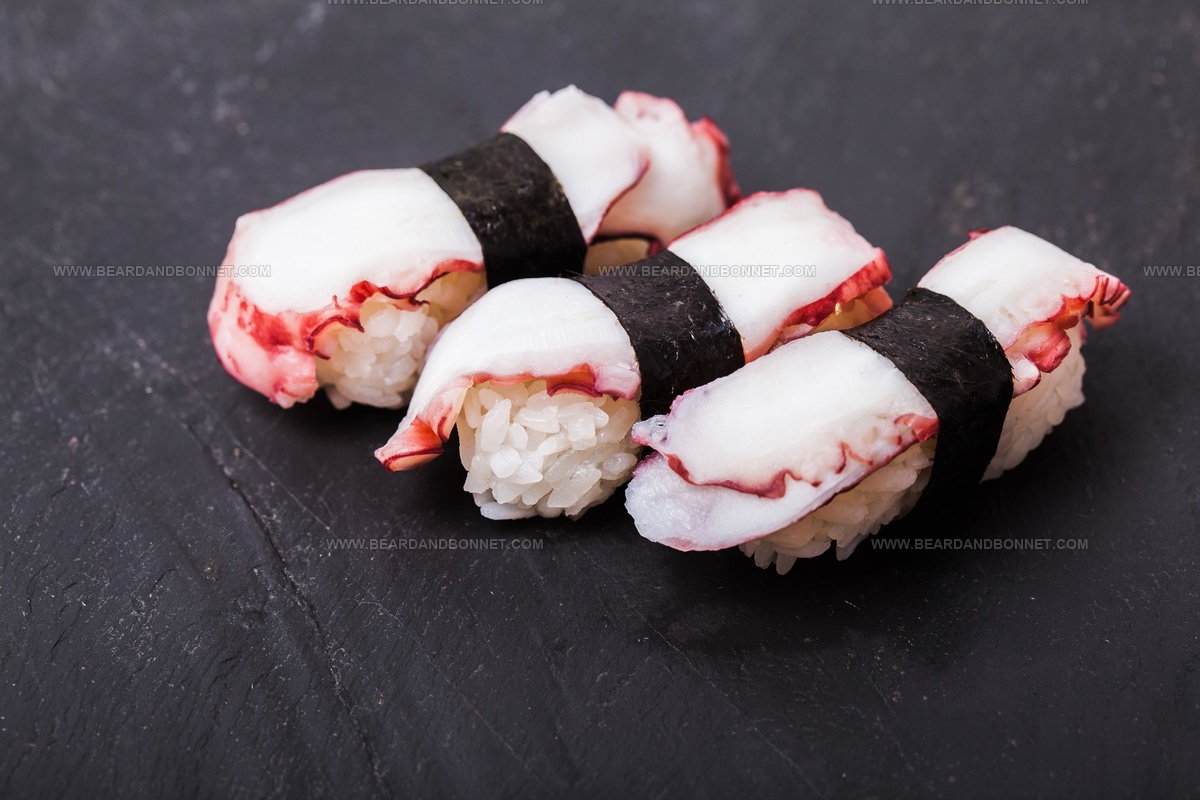
Tako nigiri sushi represents an elegant Japanese seafood delicacy featuring hand-pressed rice topped with tender octopus slices.
Skilled sushi makers carefully select fresh octopus and slice it thinly to lay atop perfectly seasoned rice.
Traditional preparation involves gentle pressing to create a compact bite-sized piece.
Octopus provides a mild, slightly sweet flavor with a distinctive chewy texture.
Each piece showcases the delicate balance between soft rice and marine protein.
Diners typically consume tako nigiri in one single bite using their hands.
Originating in Japan, this sushi style highlights the subtle art of seafood preparation.
Octopus nigiri remains a popular menu item in sushi restaurants worldwide.
Portuguese Octopus Salad (Salada De Polvo)
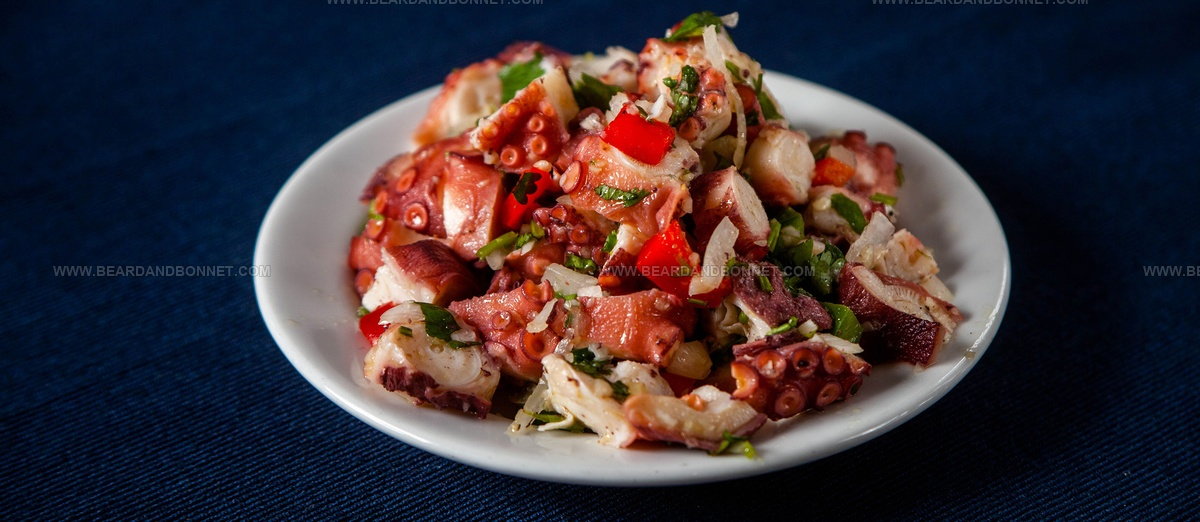
Portuguese octopus salad is a zesty seafood appetizer highlighting tender boiled octopus mixed with crisp vegetables and bright herbs.
Mediterranean coastal regions of Portugal celebrate this dish as a simple yet flavorful preparation showcasing fresh ingredients.
Cooks carefully boil octopus until perfectly tender, then slice it into bite-sized pieces for easy eating.
Extra virgin olive oil and vinegar create a light, tangy dressing that complements the seafood's natural richness.
Chopped onions, green bell peppers, garlic, and fresh coriander add layers of sharp and aromatic notes to the salad.
Optional ingredients like tomatoes, mint, parsley, and red bell peppers can enhance the flavor profile.
Lime or lemon juice provides a final citrusy kick that brightens the entire dish.
Served chilled, this salad offers a refreshing taste of Portuguese coastal cuisine.
Adobong Pugita
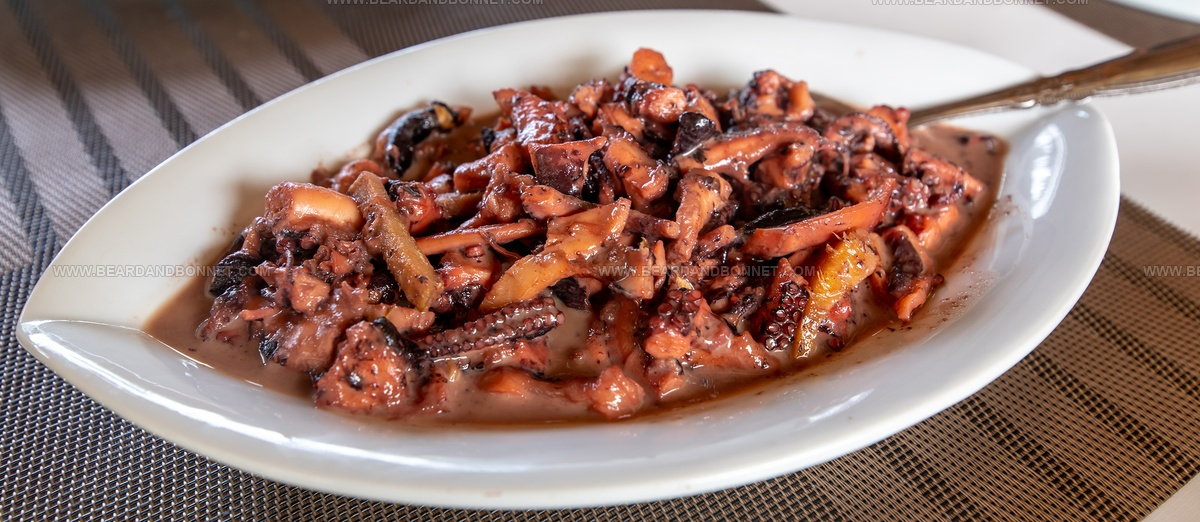
Adobong pugita is a bold Filipino seafood delicacy featuring tender octopus braised in a zesty vinegar and soy sauce blend.
Originating from Occidental Mindoro, this specialty showcases the region's maritime culinary traditions.
Garlic, onions, bay leaves, and simple seasonings transform the mature octopus into a flavorful dish.
Marinating helps tenderize the octopus before quick sautéing with aromatics.
Chefs carefully manage cooking time to prevent rubbery texture.
Steamed rice traditionally accompanies this savory preparation.
Octopus absorbs the tangy marinade, creating a memorable eating experience.
Sannakji
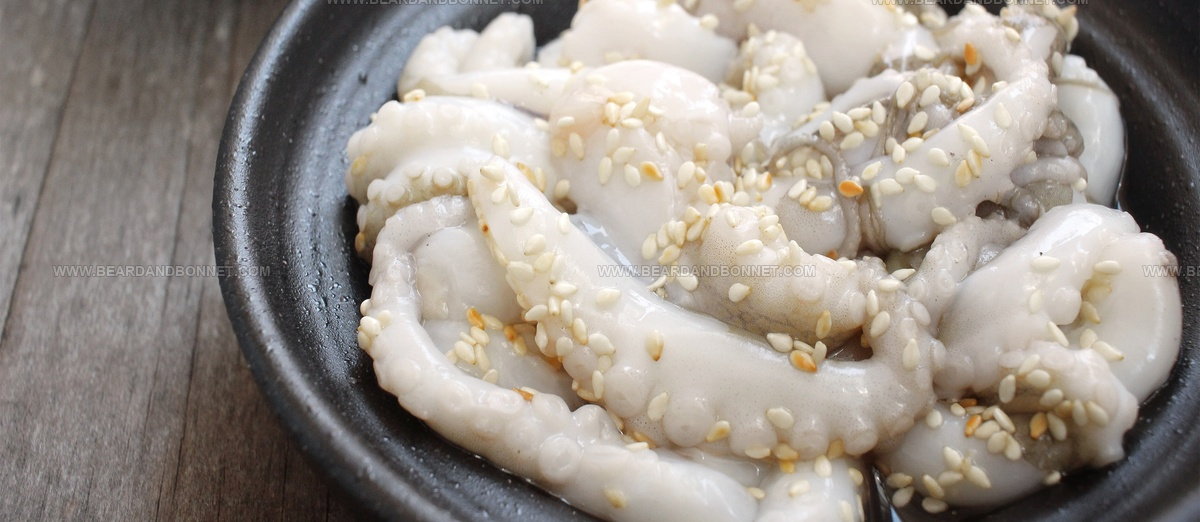
Sannakji are squirming raw baby octopus pieces served fresh and moving, originating from South Korean street food culture with a dangerous culinary reputation.
Korean diners chop the octopus alive and immediately drizzle it with sesame oil, creating a unique dining experience where food continues to wiggle on the plate.
Small pieces continue to move and potentially attach to your throat, requiring careful chewing to prevent choking risks.
Adventurous eaters consider this dish a test of courage and culinary daring.
Restaurant patrons typically pair sannakji with ssamjang sauce and green tea for enhanced flavor.
Korean cinema famously featured this dish in Park Chan-wook's intense movie Oldboy, which highlighted its shocking visual appeal.
Sesame oil adds a rich nutty flavor to the already intense marine taste.
Seafood lovers seek out this thrilling dish as a memorable gastronomic challenge that pushes traditional eating boundaries.
Spaghetti Al Ragu Di Polpo
Spaghetti al ragu di polpo transforms traditional Italian pasta with an extraordinary seafood twist.
Southern Italian coastal regions birthed this unique dish that combines tender octopus with rich tomato sauce.
Slow-cooked octopus creates a briny, slightly sweet essence that penetrates every sauce layer.
Garlic, onions, and white wine enhance the complex flavor profile of this marine-inspired ragu.
Chefs carefully tenderize octopus through extended cooking techniques to ensure melt-in-your-mouth texture.
Pasta gets cooked perfectly al dente before being generously coated with the intensely flavored sauce.
Restaurant menus across Italy showcase this innovative seafood interpretation of classic meat ragu.
Mediterranean ingredients and expert preparation make this dish a standout example of inventive Italian cuisine.
Anticuchos De Pulpo
Anticuchos de pulpo are succulent Peruvian street food skewers featuring tender octopus tentacles marinated in a zesty blend of ingredients.
Street vendors across Peru grill these flavorful skewers over open flames, creating a smoky and aromatic delicacy.
Octopus pieces are carefully seasoned with vinegar, oregano, parsley, salt, and pepper before being brushed with olive oil.
Traditional preparation involves threading marinaded tentacles onto wooden skewers and grilling them until charred and crispy.
Potatoes often accompany these popular street snacks, adding a hearty complement to the seafood.
Mediterranean and Andean culinary influences shine through in this simple yet sophisticated dish.
Peruvian street food culture celebrates these skewers as a quick and delicious meal option.
Locals and tourists alike enjoy anticuchos de pulpo as a quick, satisfying street food experience.
Polpi In Purgatorio
Polpi in purgatorio are a fiery Molisan seafood specialty featuring baby octopus slowly simmered in a spicy, intense tomato sauce that transforms humble ingredients into a bold culinary experience.
Small octopus pieces emerge tender and succulent after long, careful cooking in the rich sauce packed with sliced onions and peperoncino.
Regional Molise cuisine celebrates this dish's complex flavor profile, where octopus ink adds depth and a creamy texture to the vibrant red base.
Mediterranean ingredients blend seamlessly, creating a rustic yet sophisticated meal that captures southern Italian cooking traditions.
Spicy undertones from chili peppers provide a sharp contrast to the soft octopus meat.
Restaurant diners and families alike savor each bite of this deeply satisfying seafood creation.
Traditional preparation methods ensure authentic flavors that transport you directly to southern Italian kitchens.
Polpo Alla Luciana
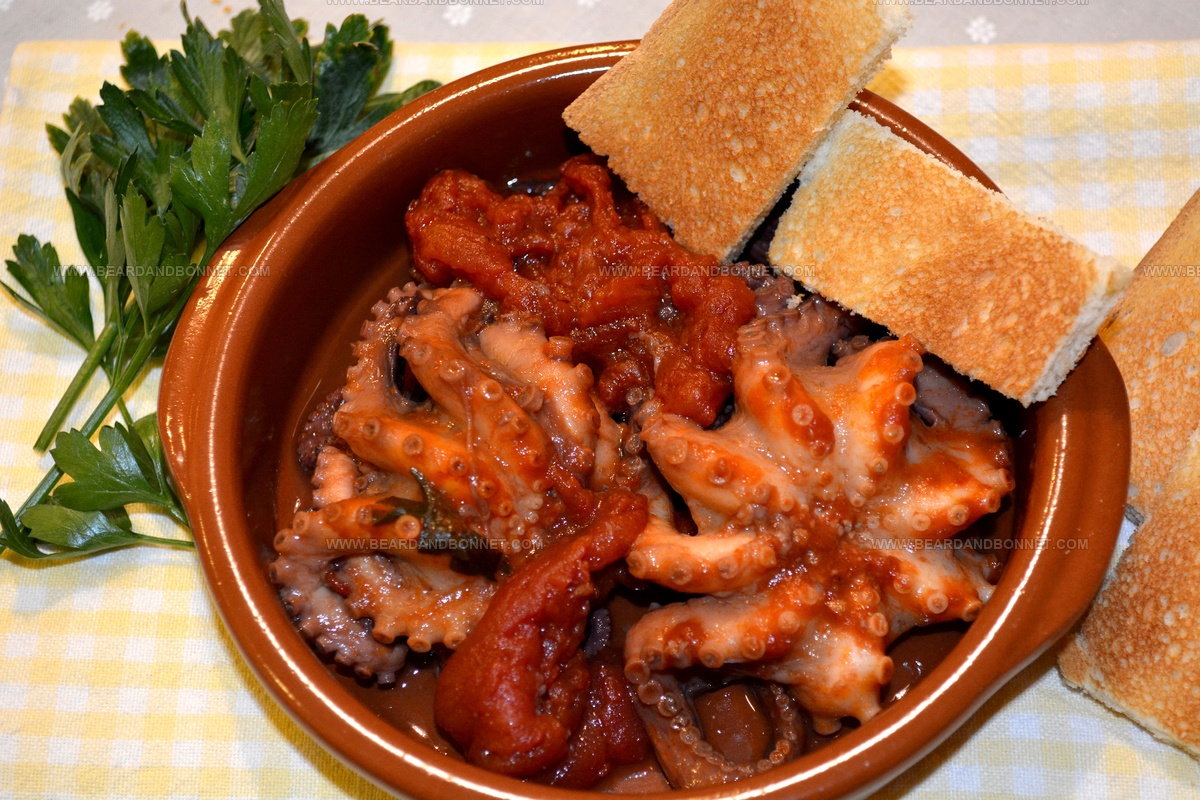
Polpo alla luciana represents Naples' seafood mastery with tender octopus braised in a spicy tomato sauce.
Fishermen from Santa Lucia developed this simple yet intense Mediterranean recipe generations ago.
Succulent octopus slowly simmers in rich tomato broth infused with garlic and parsley.
Red chili flakes provide a sharp heat complementing the seafood's natural sweetness.
Olive oil and lemon juice add brightness and depth to the sauce's complex flavor profile.
Fresh ingredients create a rustic dish reflecting coastal Italian cooking traditions.
Careful preparation ensures the octopus remains soft and never becomes tough or rubbery.
Sea salt and black pepper complete this classic Neapolitan seafood specialty.
Salade De Poulpe
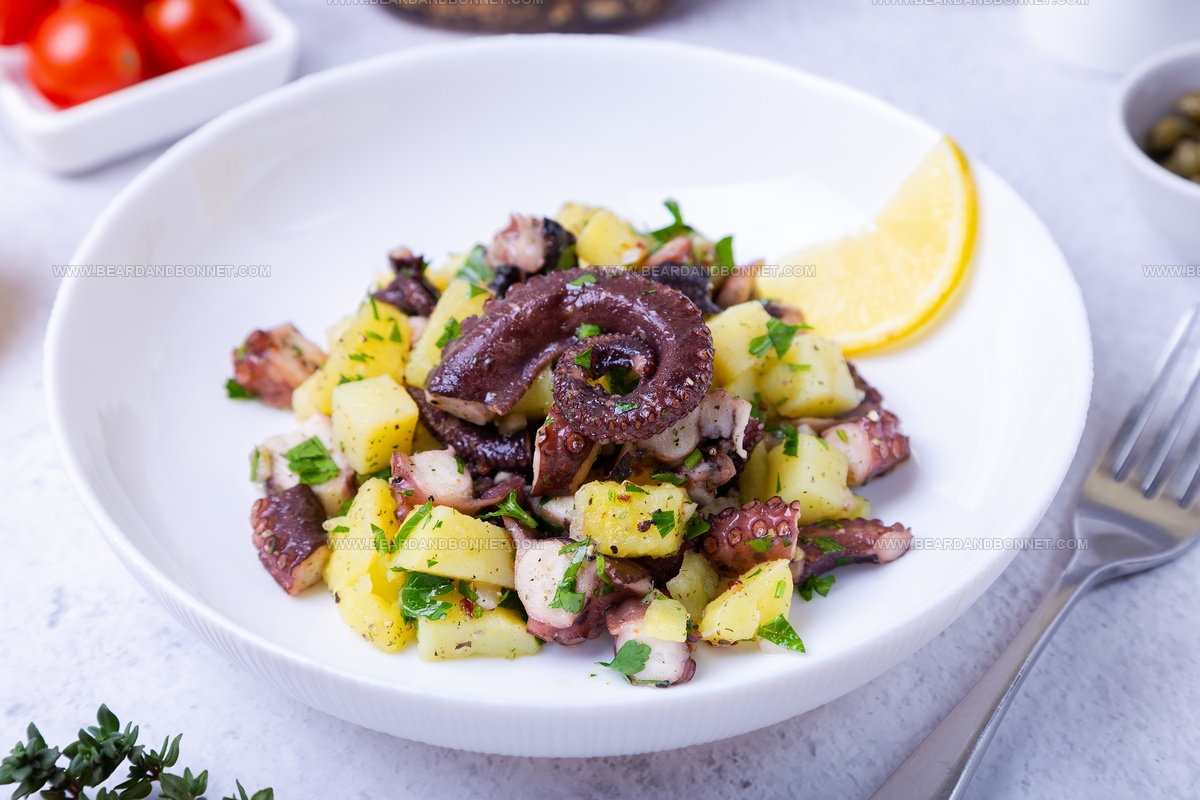
Salade de poulpe is a zesty French Mediterranean seafood salad featuring tender octopus as its star ingredient.
Mediterranean fishers traditionally prepare this bright dish by gently boiling octopus in wine and water until perfectly soft.
Fresh octopus pieces combine with boiled potatoes, creating a rich base that absorbs robust flavors.
Crisp fennel and sharp capers add texture and complexity to the salad.
Chopped parsley brings fresh green notes throughout the mixture.
Olive oil and lemon juice create a light, tangy dressing that highlights the seafood's natural taste.
White wine provides subtle depth to the overall flavor profile.
Paprika sprinkled on top adds a warm, slightly spicy finish that elevates the entire dish.
Octopus In Almond Sauce (Pulpo Almendrado)
Pulpo almendrado represents a rich seafood specialty from Mexico's Gulf region, featuring tender octopus immersed in a complex almond-based sauce.
Spanish culinary influences shape this distinctive coastal dish with its intricate flavor profile.
Almonds create a creamy, nutty base that transforms the octopus into a luxurious meal.
Chopped blanched almonds blend seamlessly with sautéed onions, garlic, and tomatoes to form the sauce's foundation.
White wine and fish stock enhance the sauce's depth and complexity.
Black olives and raisins add unexpected sweet and briny notes to the preparation.
Parsley and bay leaves contribute fresh herbal undertones to the final dish.
Mediterranean and Mexican cooking traditions merge beautifully in this sophisticated octopus preparation.
Hobotnica Na Novaljski
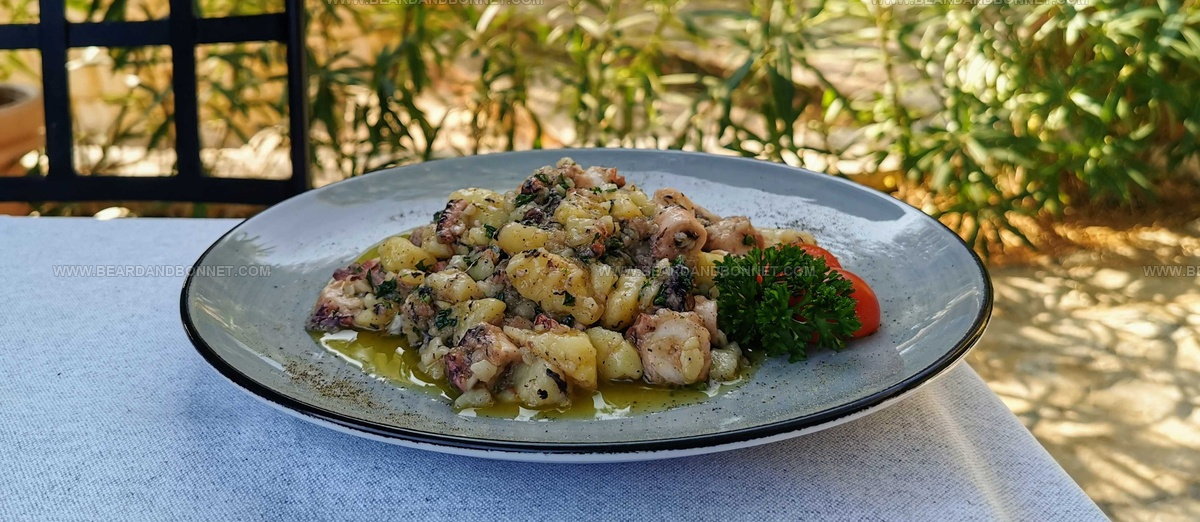
Hobotnica na novaljski is a succulent Croatian seafood specialty featuring tender octopus slow-cooked with potatoes in a simple yet flavorful preparation from Novalja, Pag island.
Mediterranean olive oil and fresh garlic infuse the dish with rich, aromatic undertones that highlight the octopus's natural sweetness.
Locals carefully prepare the octopus by boiling it without salt to maintain its delicate texture and prevent toughening.
Potatoes join the octopus during the final cooking stages, absorbing the seafood's savory juices and creating a harmonious blend of textures.
Parsley adds a fresh, green accent to the dish, complementing the oceanic flavors.
Seasonings are used sparingly to let the primary ingredients shine.
Regional cooking techniques ensure the octopus remains perfectly tender and moist.
Traditional preparation methods reflect Pag island's deep connection to maritime cuisine and its abundant seafood resources.
Kari Koko Zourit
Kari koko zourit stands as a signature Seychellois seafood curry blending tender octopus with rich coconut milk.
Seychelles islanders craft this distinctive dish by first boiling octopus into small, succulent pieces before simmering in creamy coconut milk.
Family recipes transform this curry through unique spice combinations including garlic, fresh ginger, and curry leaves.
Green hot chili peppers add sharp heat to the robust mixture.
Cinnamon leaves and saffron contribute complex aromatic undertones.
Turmeric and masala spices deepen the curry's warm flavor profile.
Eggplants occasionally complement the octopus, creating a balanced maritime meal.
Octopus Porridge (Muneo-Juk)
Muneo-juk is a hearty Korean rice porridge bursting with fresh octopus and rich maritime flavors.
South Korean coastal regions developed this comforting seafood dish as a nutritious one-pot meal combining tender octopus with soft rice.
Fishermen traditionally prepared muneo-juk using freshly caught octopus, fragrant garlic, and local seasonal vegetables.
Sesame oil and fish sauce enhance the porridge's deep umami profile, creating a complex taste experience.
Water is added to simmer ingredients until rice reaches a creamy consistency.
Optional egg toppings provide extra protein and richness to the dish.
Muneo-juk offers a warming, satisfying meal that connects Korean coastal culinary traditions with simple, flavorful ingredients.
Polpo Ubriaco
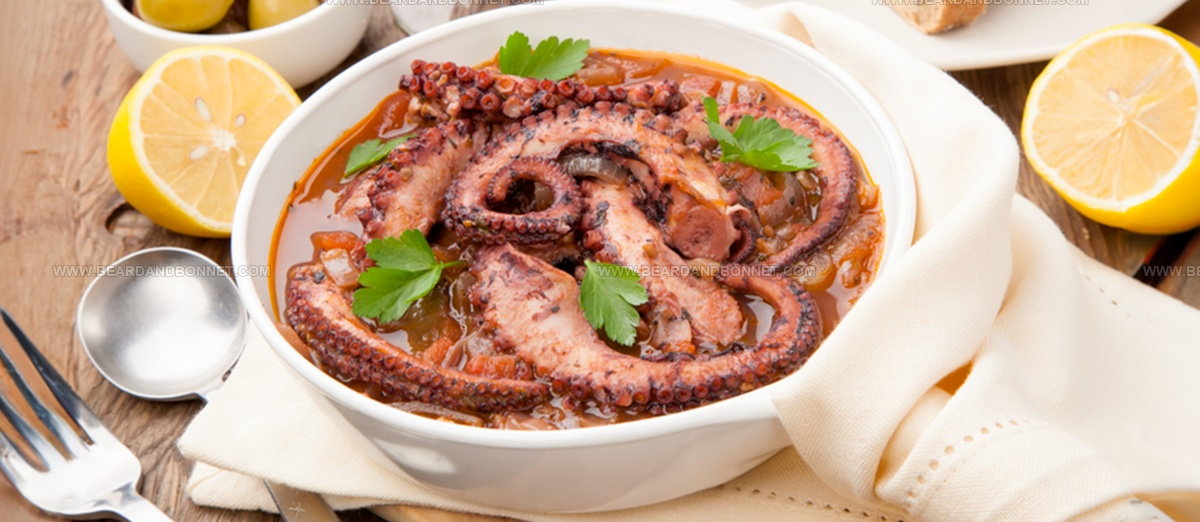
Polpo ubriaco is a sumptuous Italian seafood delicacy where octopus marinates and simmers in red wine, transforming tender meat into a rich, aromatic experience.
Tuscan coastal regions pioneered this traditional dish, celebrating fresh Mediterranean seafood with bold wine-infused techniques.
Garlic and herbs enhance the octopus's natural flavors during slow cooking, creating a complex taste profile.
Red wine not only tenderizes the meat but also imparts deep, robust notes throughout the preparation.
Chefs carefully clean and prepare the octopus before immersing it in wine for approximately one hour.
Cooking methods ensure the octopus becomes incredibly soft and absorbs every nuanced flavor.
Typically served with crusty bread or simple side salads, this dish embodies Mediterranean culinary elegance.
Wine-braised octopus represents an exceptional fusion of simplicity and sophisticated cooking techniques.
Quarnita-Bit-Tewm
Quarnita-bit-tewm is a beloved Maltese seafood specialty that showcases the island's rich maritime culinary heritage through its tender, flavor-packed octopus preparation.
Mediterranean fishermen traditionally prepare this dish by first carefully cleaning and slow-cooking octopus in its own juices until remarkably soft and succulent.
Maltese cooks carefully slice the octopus into bite-sized pieces after initial cooking, allowing it to rest and absorb maximum flavor.
Sautéing follows, with scallions, garlic, and aromatic herbs like mint creating a robust seasoning profile.
Fresh lemon juice and zest brighten the dish, while paprika adds subtle warmth and depth.
Olive oil serves as both cooking medium and finishing touch, enhancing the octopus's natural richness.
Chopped parsley provides a final fresh garnish, adding color and herbal notes.
Kadon Gamson
Kadon gamson are succulent Chamorro seafood stews featuring tender octopus simmered in rich coconut milk with bright, zesty ingredients.
Originating from Guam's coastal regions, this dish highlights fresh octopus cut into bite-sized pieces and mixed with chopped onions and cherry tomatoes.
Salt and lemon juice enhance the seafood's natural flavors during initial cooking stages.
Coconut milk transforms the stew into a creamy, aromatic preparation that softens the octopus perfectly.
Native Chamorro families traditionally prepare this recipe using freshly caught seafood from nearby waters.
Gentle simmering ensures the octopus remains tender without becoming rubbery.
Guam's unique culinary heritage shines through this simple yet flavorful seafood specialty.
Polvo A Modo Ze De Lino
Polvo a modo ze de lino represents Cape Verde's seafood mastery, transforming fresh octopus into a spicy, rich stew bursting with robust flavors.
Portuguese colonial influences shape this island dish where tender octopus pieces simmer with habanero peppers, creating an intense culinary experience.
Generous amounts of tomatoes, onions, and garlic build a complex sauce that complements the seafood's natural texture.
Regional cooks typically wash and chop octopus before slowly cooking it in oil with aromatic bay leaves.
Hot peppers provide a signature heat that distinguishes this traditional preparation from other seafood recipes.
Cape Verdean families often serve this stew with rice or bread to soak up the flavorful sauce.
Mediterranean and African cooking techniques merge in this unique island creation.
Sea-fresh ingredients and careful preparation make polvo a modo ze de lino a celebrated national dish.
Pijana Hobotnica
Pijana hobotnica are intoxicated octopus marinated in white wine, a signature seafood specialty from Croatia's Korcula island that transforms humble octopus into a sophisticated Mediterranean delicacy.
Croatian coastal kitchens elevate this dish through careful preparation, boiling fresh octopus with aromatic herbs and white wine until tender and infused with complex flavors.
Garlic, onions, parsley, bay leaves, salt, and pepper complement the wine-soaked octopus, creating a rich and savory profile.
Olive oil adds a smooth finishing touch to this traditional Croatian recipe.
Sailors and fishermen traditionally prepared this dish as a hearty meal after long days at sea.
Regional restaurants and home cooks still celebrate pijana hobotnica as a beloved seafood preparation.
Mediterranean culinary techniques shine through in this simple yet elegant dish.
Croatian coastal regions consider this recipe a testament to their rich maritime cooking traditions.
Miruhulee Boava
Miruhulee boava represents a spicy Maldivian seafood delicacy featuring tender octopus braised in an aromatic blend of local spices and coconut oil.
Fishermen along coastal regions traditionally prepare this dish using freshly caught octopus and a complex spice mixture highlighting cumin, curry leaves, and chili peppers.
Garlic and onions form the foundational flavor base when first sautéed in hot oil before adding octopus tentacles.
Indigenous cooking techniques involve creating a thick spice paste that deeply infuses the octopus with intense flavors.
Maldivian families often serve miruhulee boava as a main course during celebrations and gatherings.
Marine ingredients and bold spices make this dish a unique representation of Maldivian coastal cuisine.
Stokalj S Jajima
Stokalj s jajima is a distinctive Kvarner island specialty blending wind-dried octopus with eggs in a simple yet flavorful preparation.
Croatian fishermen from Rab perfected this rustic seafood dish featuring sliced stokalj (dried octopus) sautéed with onions in olive oil.
Eggs are added to the mixture and cooked until reaching a perfect scrambled consistency.
Mediterranean ingredients create a naturally salty profile without additional seasoning.
Sea-inspired cooking techniques transform dried octopus into a tender protein element.
Regional ingredients showcase traditional Croatian coastal cuisine.
Minimal preparation highlights fresh Mediterranean flavors.
Olive oil adds richness to this authentic island recipe.
Where in the World Is Octopus Eaten the Most?
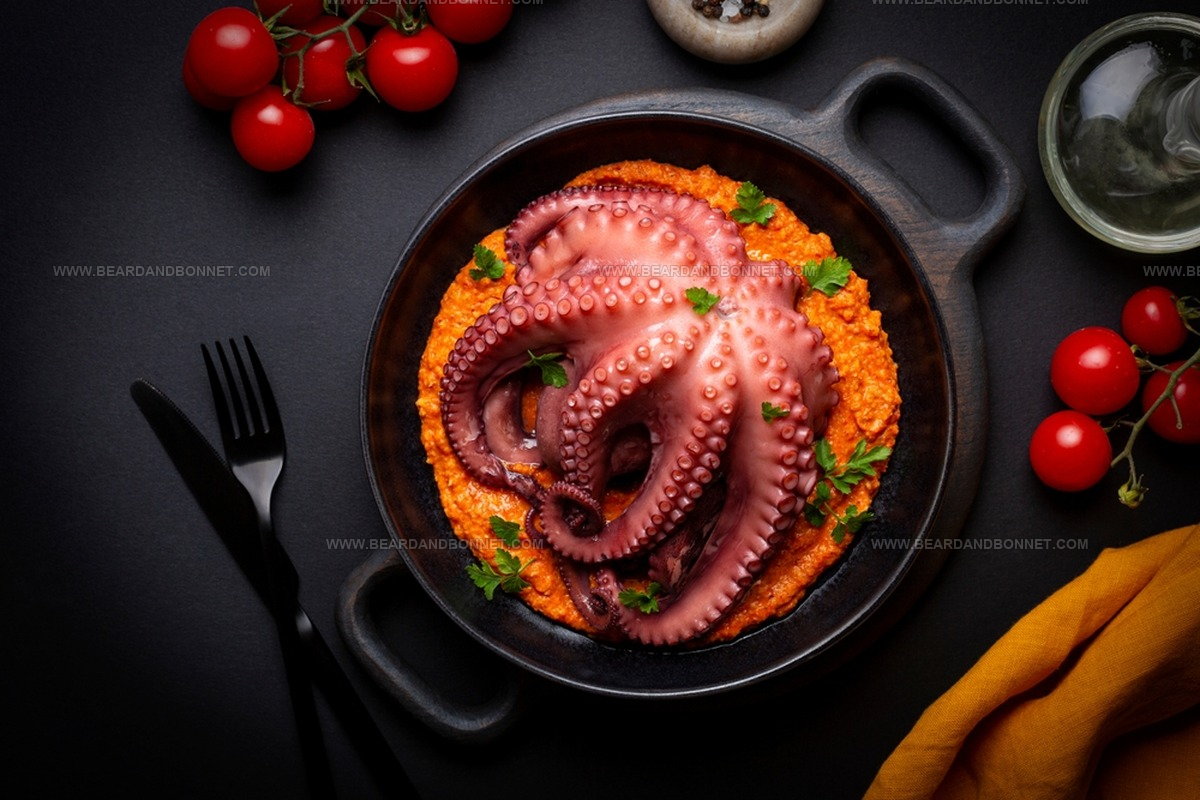
Octopus is especially popular in Mediterranean countries such as Spain, Greece, and Italy, where it’s a traditional part of coastal diets.
It’s also widely consumed in East Asian countries like Japan, Korea, and China, where it features prominently in sushi, soups, and street foods.
Additionally, octopus is enjoyed in parts of South America, including Peru, known for dishes like ceviche. Coastal regions with rich fishing traditions tend to have the highest consumption.
What Cooking Methods Are Ideal for Large vs. Baby Octopus?
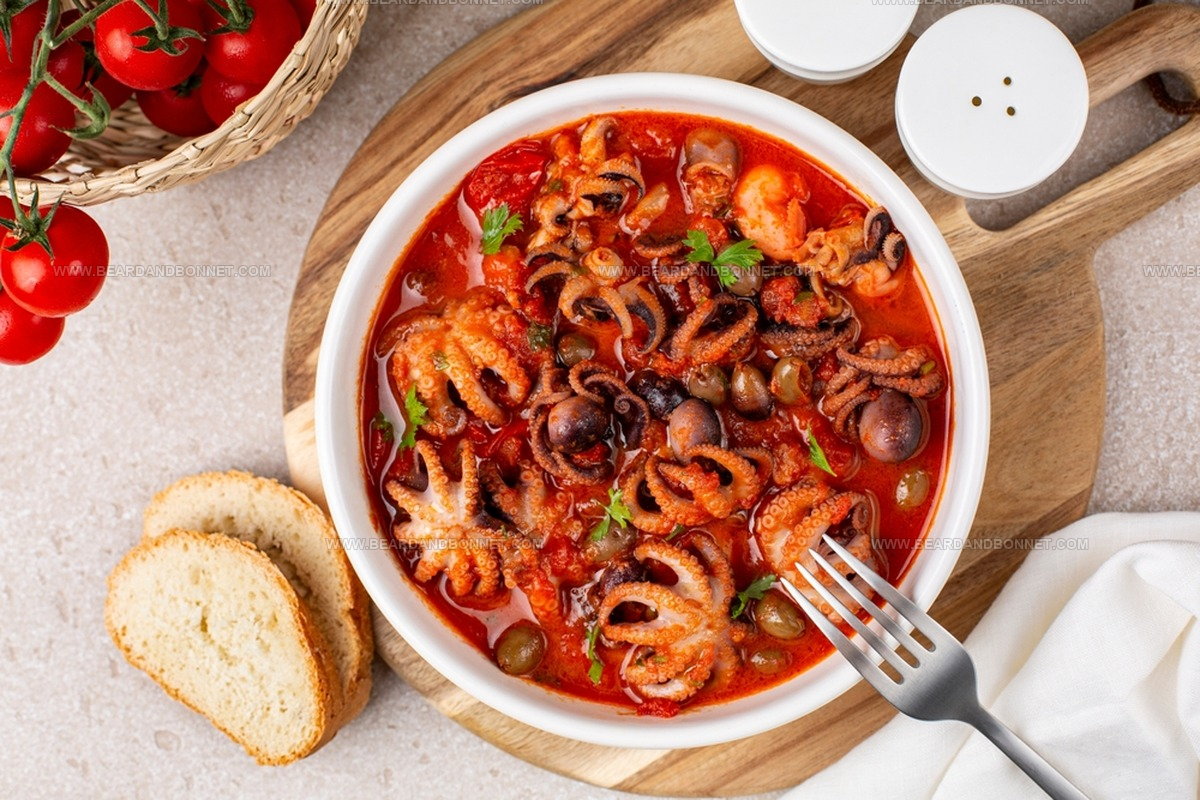
Octopus varies greatly in size and texture, which means the best cooking techniques differ depending on whether you’re working with a large or baby octopus. Understanding these differences helps bring out the best flavor and tenderness in each.
Choosing the right method ensures the best texture and flavor for each size.
Alex Reed
Founder & Lead Content Writer
Expertise
Recipe Development and Testing, Culinary Education, Food Writing and Blogging, Sustainable Cooking Practices, Global Cuisine Exploration
Education
Johnson & Wales University
Le Cordon Bleu Paris
Alex Reed is an inventive chef and food creator with a passion for dishes that balance taste, health, and sustainability.
Trained at Portland Community College and holding an Advanced Pastry Arts certificate from Oregon Culinary Institute, Alex brings more than 10 years of practical culinary experience to every recipe he develops.
His background uniquely blends traditional cooking skills with modern, mindful eating principles. As the founder of Beard and Bonnet, Alex creates recipes that encourage readers to cook confidently.